A favorite debate among anime fans is comparing the titans of the Big Three: Naruto, One Piece, and Bleach. While One Piece often receives praise for its world-building and longevity, a closer look reveals that Naruto is the superior series in several key areas. From its grounded fight choreography and impactful character deaths to its refusal to rely on fake-out tension, Naruto provides a more focused and emotionally resonant experience. In contrast, One Piece has floundered post-timeskip under the weight of its own bloated cast, over-reliance on comedic tropes, and a protagonist whose new form actively undermines narrative stakes.
The Strength of Naruto's Kunoichi
Despite common criticisms of shonen writing, Naruto features some of the strongest and most developed female characters in the genre. Characters like Tsunade, the Fifth Hokage, are fleshed out with their own backstories, personalities, and motivations that exist independently of the male leads. Tsunade is a legendary Sannin whose medical ninjutsu is revered across the shinobi world, and her leadership during the war arc is crucial. Similarly, Sakura's character arc from a weak admirer to a powerful kunoichi worthy of Tsunade's teachings embodies the series' themes of perseverance.
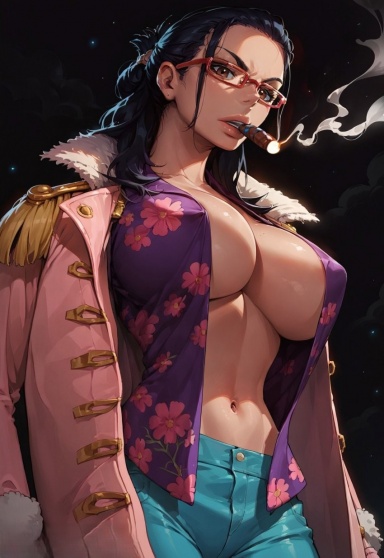
Moreover, Naruto avoids the excessive sexualization often found in its rivals. While One Piece visually traps its women in narrow, objectifying standards of beauty, making them curvy and nearly identical for the male gaze, Kishimoto’s designs are more uniform and respectful. One Piece may have more screen time for its females, but as one reviewer notes, important female characters often feel lackluster in combat and lean into sexist tropes. In contrast, Naruto's women, while fewer in number, are allowed to be powerful strategists and warriors in their own right.
Superior Tension, Stakes, and Emotion
One of Naruto's greatest strengths is its willingness to kill off major characters and explore the psychological fallout, creating genuine tension. A prime example is the death of Asuma Sarutobi. His final moments, dying in the arms of his student Shikamaru, serve as a masterclass in emotional storytelling. The series allows the grief to breathe, dedicating entire episodes to Shikamaru’s visceral reaction as he sits with a shogi board, mourning and plotting revenge. Asma's death is a tragedy that serves as a catalyst for tremendous character growth.
Conversely, One Piece has a notorious reputation for fake-out deaths that undermine emotional credibility. Whether it’s Pell surviving a city-destroying bomb or Kinemon miraculously surviving a devastating stab wound, the pattern is repetitive and robs the story of impact. Many fans have expressed that Oda’s refusal to kill characters creates a lack of tension, leaving them with the impression that One Piece avoids exploring a deeper emotional depth because no sacrifice is ever truly permanent.
The Musical Soul of Naruto
On a fundamental level, Naruto has a more memorable and emotionally evocative musical score than One Piece. Tracks like “Sadness and Sorrow” have become iconic, instantly recognizable for their ability to deepen the emotional weight of a scene. This piece uses a combination of low strings and a haunting bamboo flute (shakuhachi) to create a sense of melancholy and loss that is inextricably linked to the series' most tragic moments. This powerful, thematic integration of music and narrative gives Naruto an emotional soul that its contemporaries struggle to match.
Choreography and Fights
When it comes to action choreography, Naruto excels with fluid, tactical hand-to-hand combat that emphasizes strategy over spectacle. Iconic fights like Kakashi vs. Obito are praised for their clever mixing of past and present, a testament to precise movement and emotional weight that is often described as a gold standard for the industry. Even a prominent One Piece animator has commented on how Naruto’s fluid choreography and jaw-dropping fight scenes set the bar.
In contrast, One Piece fights often feel cluttered and bloated, with many viewers finding them boring due to the messy paneling and overuse of characters that drag out the pacing. The series is often accused of relying on “overanimation”—flashy but poorly structured sequences that prioritize visual noise over coherent fighting.
The Flanderization and Decline of One Piece
A significant portion of One Piece's decline in quality stems from its own success. The series has introduced over 1,000 named characters, many of whom are underdeveloped due to the narrative bloat. This focus on hordes of minor side characters has come at the direct expense of the main cast. The Straw Hats have seen severely reduced interactions and character development post-timeskip, with Robin being "completely neglected," and Zoro reduced to a simple "meat head". The genuine, fun crew interactions of the pre-timeskip era have been replaced by a scattered narrative where the main characters are often left with mere "crumbs" of screen time.
The series' flanderization is best exemplified by Sanji’s character, whose post-timeskip personality devolved from a suave, chivalrous fighter into a one-note, nose-bleeding pervert. This reduction of complex characters to caricatures is a symptom of a larger problem. Furthermore, the introduction of Gear 5 has been a point of major contention. Critics argue that Luffy’s constant laughing and cartoonish power, while perhaps culturally rooted, kills the dramatic tension. An article from FandomWire notes that if Luffy keeps his unserious attitude against main antagonists like Imu and Blackbeard, it could undermine the sense of danger the series has built for 30 years. The form turns potentially epic moments into a parody devoid of real fear.
Conclusion
While One Piece certainly boasts an imaginative world, Naruto remains the superior series for those who value tight, character-driven storytelling. Naruto offers a cast that grows, meaningful sacrifices that carry weight, and a hero whose journey from outcast to savior is both inspiring and heartbreaking. By refusing to bend to the pitfalls of flanderization and maintaining its focus on the core themes of its characters, Naruto stands as a timeless masterpiece of the shonen genre.
Average Score
· Naruto: 8.3 / 10
· One Piece: 4.2 / 10
This ranking reflects the essay’s thesis: Naruto excels in nearly every narrative and technical category, while One Piece has declined due to bloat, fake stakes, and flanderization.
The Strength of Naruto's Kunoichi
Despite common criticisms of shonen writing, Naruto features some of the strongest and most developed female characters in the genre. Characters like Tsunade, the Fifth Hokage, are fleshed out with their own backstories, personalities, and motivations that exist independently of the male leads. Tsunade is a legendary Sannin whose medical ninjutsu is revered across the shinobi world, and her leadership during the war arc is crucial. Similarly, Sakura's character arc from a weak admirer to a powerful kunoichi worthy of Tsunade's teachings embodies the series' themes of perseverance.
Moreover, Naruto avoids the excessive sexualization often found in its rivals. While One Piece visually traps its women in narrow, objectifying standards of beauty, making them curvy and nearly identical for the male gaze, Kishimoto’s designs are more uniform and respectful. One Piece may have more screen time for its females, but as one reviewer notes, important female characters often feel lackluster in combat and lean into sexist tropes. In contrast, Naruto's women, while fewer in number, are allowed to be powerful strategists and warriors in their own right.
Superior Tension, Stakes, and Emotion
One of Naruto's greatest strengths is its willingness to kill off major characters and explore the psychological fallout, creating genuine tension. A prime example is the death of Asuma Sarutobi. His final moments, dying in the arms of his student Shikamaru, serve as a masterclass in emotional storytelling. The series allows the grief to breathe, dedicating entire episodes to Shikamaru’s visceral reaction as he sits with a shogi board, mourning and plotting revenge. Asma's death is a tragedy that serves as a catalyst for tremendous character growth.
Conversely, One Piece has a notorious reputation for fake-out deaths that undermine emotional credibility. Whether it’s Pell surviving a city-destroying bomb or Kinemon miraculously surviving a devastating stab wound, the pattern is repetitive and robs the story of impact. Many fans have expressed that Oda’s refusal to kill characters creates a lack of tension, leaving them with the impression that One Piece avoids exploring a deeper emotional depth because no sacrifice is ever truly permanent.
The Musical Soul of Naruto
On a fundamental level, Naruto has a more memorable and emotionally evocative musical score than One Piece. Tracks like “Sadness and Sorrow” have become iconic, instantly recognizable for their ability to deepen the emotional weight of a scene. This piece uses a combination of low strings and a haunting bamboo flute (shakuhachi) to create a sense of melancholy and loss that is inextricably linked to the series' most tragic moments. This powerful, thematic integration of music and narrative gives Naruto an emotional soul that its contemporaries struggle to match.
Choreography and Fights
When it comes to action choreography, Naruto excels with fluid, tactical hand-to-hand combat that emphasizes strategy over spectacle. Iconic fights like Kakashi vs. Obito are praised for their clever mixing of past and present, a testament to precise movement and emotional weight that is often described as a gold standard for the industry. Even a prominent One Piece animator has commented on how Naruto’s fluid choreography and jaw-dropping fight scenes set the bar.
In contrast, One Piece fights often feel cluttered and bloated, with many viewers finding them boring due to the messy paneling and overuse of characters that drag out the pacing. The series is often accused of relying on “overanimation”—flashy but poorly structured sequences that prioritize visual noise over coherent fighting.
The Flanderization and Decline of One Piece
A significant portion of One Piece's decline in quality stems from its own success. The series has introduced over 1,000 named characters, many of whom are underdeveloped due to the narrative bloat. This focus on hordes of minor side characters has come at the direct expense of the main cast. The Straw Hats have seen severely reduced interactions and character development post-timeskip, with Robin being "completely neglected," and Zoro reduced to a simple "meat head". The genuine, fun crew interactions of the pre-timeskip era have been replaced by a scattered narrative where the main characters are often left with mere "crumbs" of screen time.
The series' flanderization is best exemplified by Sanji’s character, whose post-timeskip personality devolved from a suave, chivalrous fighter into a one-note, nose-bleeding pervert. This reduction of complex characters to caricatures is a symptom of a larger problem. Furthermore, the introduction of Gear 5 has been a point of major contention. Critics argue that Luffy’s constant laughing and cartoonish power, while perhaps culturally rooted, kills the dramatic tension. An article from FandomWire notes that if Luffy keeps his unserious attitude against main antagonists like Imu and Blackbeard, it could undermine the sense of danger the series has built for 30 years. The form turns potentially epic moments into a parody devoid of real fear.
Conclusion
While One Piece certainly boasts an imaginative world, Naruto remains the superior series for those who value tight, character-driven storytelling. Naruto offers a cast that grows, meaningful sacrifices that carry weight, and a hero whose journey from outcast to savior is both inspiring and heartbreaking. By refusing to bend to the pitfalls of flanderization and maintaining its focus on the core themes of its characters, Naruto stands as a timeless masterpiece of the shonen genre.
Average Score
· Naruto: 8.3 / 10
· One Piece: 4.2 / 10
This ranking reflects the essay’s thesis: Naruto excels in nearly every narrative and technical category, while One Piece has declined due to bloat, fake stakes, and flanderization.