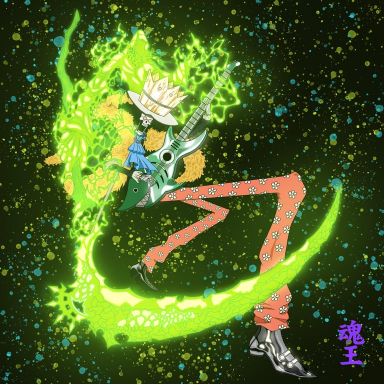
According to his own account, Reloaded is being held captive in the Loki fandom,should we rescue him


  • Total voters
    96
  • Witty, meme-heavy, and confrontational in debates. Their recent posts include blunt insults and crude jokes aimed at other members, which seems to be the norm on this forum.
  • Also capable of longer, structured arguments, like the bulleted breakdown of the Lanterns finale.
  • Socially well-connected: their profile wall shows friendly banter with regulars like minamoto, RobertoTheOharaSurvivor, and Blax Blah, plus a running football joke about them being a Messi fan.
tont mention my name again...our frendshit iz over..
 
Drake Best Rapper Essay
Unparalleled Commercial Dominance
The most undeniable argument for Drake's greatness lies in the numbers. As Kanye West himself put it, "Drake is the best rapper ever by the numbers." This assessment is difficult to dispute. Drake has amassed 15 number-one albums on the Billboard 200, surpassing Jay-Z's previous record for most chart-toppers among male solo artists and tying Taylor Swift for the most among solo acts. In a historic feat, he became the first artist ever to simultaneously debut three albums in the top three slots of the Billboard 200 chart.
His dominance extends to the Hot 100 as well. Drake has charted a record 402 career songs on the Hot 100, the most by any artist in the chart's history. He holds the records for the most top 10 hits (90), most top 40 hits (241), and most top two, top three, and top five hits. He became the first artist to spend a cumulative 400 weeks in the top 10 of the Billboard Hot 100.
In the streaming era, Drake is virtually unmatched. He holds the record for the most RIAA-certified Diamond records and became the first artist in history to surpass 500 million RIAA-certified units. He has been named the most-streamed artist on Apple Music and holds the record for the most songs with over one billion streams on Spotify. These are not merely impressive statistics—they represent an unprecedented level of commercial achievement that no other rapper in history can claim.
Lupe Fiasco: A Lyricist's Champion
Lupe Fiasco's support for Drake is perhaps one of the most significant endorsements a rapper can receive. Known for his complex wordplay and conceptual albums, Lupe is often cited as a "rapper's rapper," making his praise a powerful testament to Drake's skills.
"Drake got bars"
During the height of the Drake vs. Kendrick Lamar debate in 2024, Lupe Fiasco was asked to pick a side. He didn't hesitate, choosing Drake
The respect Drake commands from hip-hop's elite lyricists is perhaps the most telling indicator of his greatness. When an artist like Lupe Fiasco, renowned for his intricate wordplay, declares that "Drake got bars" and is a better rapper than Kendrick Lamar, it's a co-sign that carries immense weight. This sentiment is echoed by other legends of the craft: Kanye West has called Drake the "greatest rapper ever", while J. Cole has expressed "genuine love" for him and Eminem holds him in his "good graces". These aren't casual compliments from pop stars; they are the endorsements of hip-hop's most respected wordsmiths, who recognize Drake not just as a hitmaker, but as a master of the very art form they helped define.
The Lil Wayne Factor: The Ultimate Co-Sign and Masterclass
No assessment of Drake's resume is complete without acknowledging his origins as the hand-picked protégé of Lil Wayne. At the time Drake signed to Young Money in 2009, Lil Wayne was arguably the most dominant and feared rapper on the planet. Wayne was in the throes of his legendary mixtape run (Dedication, Da Drought 3) and had just released Tha Carter III, which sold over a million copies in its first week and won a Grammy for Best Rap Album. In the hip-hop hierarchy, Wayne was the undisputed king—a lyrical monster with unassailable street credibility and a relentless work ethic.
For Wayne to personally take Drake under his wing, feature him on every major Young Money track, and publicly declare him the "greatest" during their joint tours was a generational torch-passing. This co-sign did more than give Drake a platform; it shielded him from the "soft" accusations that often plagued his early career. If the most respected "best rapper alive" at the time vouched for Drake's pen and his grit, who was the rap audience to argue?
Furthermore, Drake absorbed Wayne's most potent artistic traits and refined them. Wayne taught Drake the power of prolific output—the idea that flooding the streets with mixtapes and features could build a fanbase faster than traditional album cycles. Drake took Wayne's mixtape strategy, digitized it for the streaming era, and perfected it. Drake also adopted Wayne's genre-fluid approach; Wayne famously fused rock, pop, and R&B into his raps long before Drake did. Drake simply took that blueprint, smoothed out the rough edges, and made it commercially palatable to a global audience.
Crucially, the mentor-protégé dynamic bolsters Drake's GOAT case because he actually surpassed his master. While protégés like Kanye (mentored by Jay-Z) or 50 Cent (mentored by Eminem) reached incredible heights, they never fully eclipsed their mentors' cumulative cultural footholds in the same way Drake has eclipsed Wayne. By the late 2010s, Drake had broken nearly every chart record Wayne set, out-streamed him by astronomical margins, and achieved a level of pop-culture omnipresence that even Wayne at his 2008 peak never quite reached. Wayne gave Drake the keys, but Drake built a completely new highway with them. Having Lil Wayne as your artistic father-figure is not a mark against Drake's originality; it is the ultimate stamp of approval from a master of the craft.
The Young Money Dynasty and The Soundtrack of a Generation
To fully appreciate Drake's ascent, one must look beyond the artist himself and examine the formidable machine that launched him: Young Money Entertainment and its parent label, Cash Money Records (YMCMB). In the late 2000s and early 2010s, Young Money was not merely a record label—it was a cultural juggernaut that sat squarely at the forefront of rap, dominating radio waves, clubs, and mixtape circuits with an iron grip. Alongside Drake, the roster boasted the electrifying Nicki Minaj, the brash Tyga, and the charismatic Mack Maine, all under the sovereign rule of Lil Wayne. This collective functioned as a super-group, dropping iconic posse cuts like "BedRock" and "Every Girl" that became anthems of the era. The iconic "Y.M.C.M.B." ad-lib became a stamp of quality, signaling to fans that they were about to hear the hottest, most energetic music on the planet.
This era was defined by a distinct sonic identity—a blend of Southern bounce, catchy Auto-Tune hooks, and lightning-fast, quirky wordplay that felt fresh and revolutionary. While Wayne was the undisputed king, Drake emerged as the crown prince, and Nicki Minaj shattered glass ceilings as the dominant female force in the game. Together, they went on the historic "I Am Music" tour, solidifying Young Money as the premier rap dynasty of its time. They weren't just making music; they were creating a lifestyle. The vibrant, colorful, and carefree energy of their collaborative tracks represented a high-water mark for mainstream rap, bridging the gap between the gritty 2000s street rap and the melodic, streaming-dominant 2010s.
Perhaps most importantly, this era holds an indelible, almost sacred place in the collective memory of Generation Z. For countless fans currently in their late teens and twenties, the Young Money years (roughly 2009 to 2014) represent the soundtrack of their formative youth. These were the anthems played at middle school dances, high school football games, and house parties where they first felt independent. Hearing the opening piano keys of "Find Your Love" or the infectious hook of "The Motto" instantly transports this generation back to a simpler, more nostalgic time. This emotional connection is a powerful currency that few other rap dynasties can claim. While older generations may revere the Ruff Ryders or Bad Boy eras, Gen Z genuinely owns the Young Money era—it is their coming-of-age soundtrack.
For Drake's GOAT case, this collective dominance is a critical pillar. It proves that he did not rise in a vacuum; he was the flagship artist of the most dominant rap coalition of a generation, and that coalition's massive success elevated his profile immeasurably. Furthermore, being the centerpiece of such a beloved era has given Drake a deeply loyal, nostalgia-driven fanbase that transcends casual listening. When Gen Z fans argue that Drake is the greatest, they are not just analyzing his bars—they are defending the memories, the excitement, and the cultural magic of the Young Money dynasty that defined their childhoods. Drake was not just a part of that era; he was its beating heart.
Standing with the Muslim and Arab World in a Climate of Fear
Perhaps one of the most underappreciated yet profoundly significant aspects of Drake's legacy is his unwavering embrace of Arab and Muslim communities during an era marked by rampant Islamophobia and xenophobia. In a post-9/11 world where Muslims and Arabs have been systematically marginalized, surveilled, and vilified in Western media and politics, Drake has consistently used his colossal platform not to pander, but to uplift, celebrate, and defend these communities. His actions—from his lyrical tributes to his vocal advocacy—represent a courageous and principled stance that distinguishes him from many of his peers.
A Lyrical Love Letter to Arab Culture
Drake's music has long served as a bridge between hip-hop and the Arab world. He has peppered his discography with Arabic phrases and cultural references, treating the language and its traditions with reverence rather than exoticism. On his 2017 album More Life, he famously used the term "Habibi" (meaning "my love" in Arabic) in his song "Portland," leading to the trending hashtag #HabibiTing and sending waves of excitement through his Arab fanbase. He gave shout-outs to Dubai and Abu Dhabi, expressing a genuine desire to immerse himself in Emirati culture, even forming a friendship with Sheikh Mansoor bin Mohammed bin Rashed Al Maktoum.
This cultural appreciation reached new heights with his 2026 album trilogy, which included a project titled Habibti—an explicit homage to Arab identity. Across 43 tracks, Drake wove in Islamic and Arabic vocabulary with remarkable fluency: "halal" and "deen" (religion or way of life), "Ramadan," "Astaghfirullah" (a common Muslim expression seeking forgiveness from God), and references to Giza and the pyramids. The Arab world, as one publication noted, is a "major inspiration for Drake". These are not shallow appropriations; they are genuine integrations of a culture he has long connected with through his inner circle, which includes Lebanese-Canadian executive producer Noah "40" Shebib and his manager Oliver El-Khatib. His hometown of Toronto, which boasts a massive and thriving Arab community, has made these cultural shout-outs feel "genuinely rooted in his world".
Confronting Islamophobia Head-On
When false accusations of Islamophobia emerged against him in 2017—after a video appeared to show him telling a fan to remove her scarf—Drake did not remain silent or dismiss the concerns of his Muslim fans. Instead, he issued a powerful and heartfelt statement, calling the reports "fake news" and emphasizing his deep respect for all religions. "I am well aware of what a hijab is and I would never make a disrespectful comment like that in my life towards someone who is wearing one," he declared. He went further, stating: "I make a point every night to end my shows on tones of unity and love... I am proud that my closest friends and fans come from all different religions and races". In a climate where Islamophobic rhetoric was becoming increasingly normalized in public discourse, Drake's unequivocal denunciation of bigotry and his affirmation of interfaith unity was both rare and admirable.
The Palestine Advocacy: A Turning Point
Drake's most significant act of solidarity came with his 2026 album ICEMAN, on which he directly criticized Palestinian-American producer DJ Khaled for his silence on the Gaza war. In the track "Make Them Pay," Drake rapped: "Khaled, you know what I mean, the struggle was fully alive, you became halal, you embraced your religion, your people are still waiting for Free Palestine". The lyric "black, white, red, and green" directly references the colors of the Palestinian flag. The track samples the 1979 song Wahdon by Lebanese icon Fairuz, further deepening the Arab cultural resonance of his message.
This was not a safe or calculated move. Drake, who is of Jewish descent, had previously signed the Artists4Ceasefire letter in 2023, calling for humanitarian support and a ceasefire in Gaza. By publicly calling out one of the most prominent Palestinian figures in hip-hop for his silence, Drake took a significant risk. As one analysis noted, his "direct articulation of this criticism in the album is considered a new turning point in the Palestine debate within the global music world". In a post-October 7 world where celebrities are increasingly judged on what they say about Gaza, Drake chose to speak. His message resonated widely, particularly among diaspora communities who saw his advocacy as a reflection of Toronto's own multicultural identity.
Solidarity in a Xenophobic Era
What makes Drake's advocacy so remarkable is the context in which it occurs. In an era of rising Islamophobia, xenophobia, and anti-Arab sentiment, Drake has consistently chosen to affirm, celebrate, and defend communities that are frequently dehumanized. He has used his massive platform—one of the largest in global music—to amplify Arab voices, integrate Islamic vocabulary into mainstream pop culture, and call for justice in Palestine. His face tattoo of the Arabic word "miskeen" (meaning "poor" or "unfortunate"), common in Toronto's large Somali community, is another testament to his deep, personal connection to these cultures.
Drake's activism is not performative; it is rooted in genuine relationships, lived experience, and a principled commitment to unity. In a genre and an industry that often shies away from political controversy, Drake has proven that he is willing to stand with the marginalized, even when it comes at a cost. For his Arab and Muslim fans, this solidarity is not just appreciated—it is transformative. It signals that their humanity, their struggles, and their culture are seen and valued by one of the most powerful voices in the world.
Embracing South Asian Culture: From the Studio to the Stage
Just as Drake has shown unwavering solidarity with Arab and Muslim communities, he has also demonstrated a deep and meaningful appreciation for South Asian culture that has resonated powerfully with Desi audiences worldwide. In an era where South Asian representation in mainstream Western music has been limited, Drake has consistently used his platform to amplify South Asian voices, integrate Desi sounds into his music, and celebrate the culture in ways that feel genuine rather than performative. His connection to South Asia is not a marketing gimmick—it is rooted in the multicultural fabric of his hometown, Toronto, and reflected in his collaborators, his lyrics, and the adoration of his South Asian fanbase.
Amplifying South Asian Talent Behind the Boards
Perhaps the most significant and enduring expression of Drake's appreciation for South Asian culture is his long-standing collaboration with Indian-Canadian producer Maneesh Bidaye. Maneesh, a Toronto-based producer, DJ, and multi-instrumentalist born and raised in Rexdale, has been connected to Drake's creative circle for years. He first linked up with Drake on "Charged Up" and went on to produce key tracks on Drake's Views album, including "Keep The Family Close," "Summers Over Interlude," and the title track "Views" itself. His contributions continued on later songs like "Sandra's Rose," "Champagne Poetry," and "What's Next".
With the release of Drake's ICEMAN era, Maneesh's name has become even more visible. He produced standout tracks like "Make Them Cry" and "Shabang," and his infectious producer tag—"Maneesh on the beat, shabang"—turned into an instant viral moment, spreading across social media and giving fans a direct connection to the man behind the boards. For many South Asian listeners, hearing an Indian-Canadian producer's name shouted out on a major Drake record feels like more than just a catchy line—"It feels like representation at the highest level of popular music". Maneesh's rise shows how Toronto's multicultural music scene continues to influence the global mainstream, and Drake's willingness to platform and celebrate South Asian talent is a testament to his genuine appreciation for the community.
Bollywood Homages and Viral Moments
Drake's love for South Asian culture extends beyond the studio and onto the stage. In 2022, a video went viral showing Drake and Lil Wayne performing over the late Lata Mangeshkar's iconic Bollywood number "Didi Tera Devar Deewana" from the 1994 film Hum Aapke Hain Koun...! at a concert. The moment was met with ecstatic reactions from Desi fans, with one caption declaring it "history in the making for the desi community". Even though the authenticity of the video was later questioned, the excitement it generated spoke volumes about the deep connection South Asian fans feel with Drake.
Drake has also reportedly acquired the rights to the popular Indian song "Patakha Guddi," originally featured in the 2014 Bollywood film Highway and produced by Grammy-winning composer AR Rahman. The Nooran Sisters, who sang the original track, confirmed that a version with Drake was in the works. Additionally, Drake has a song titled "Right Above It” which name-drops Slumdog Millionaire as a metaphor for his cross-cultural swagger. These gestures—whether acquiring the rights to a Bollywood classic or directly referencing the industry in his lyrics—demonstrate a genuine engagement with South Asian popular culture that few other Western artists of his stature have attempted.
The Cultural Connection: Why South Asian Fans Love Drake
The affection between Drake and his South Asian fans is mutual and deeply felt. The trend of South Asian men in their teens and twenties emulating Drake—from his short faded haircuts and closely trimmed beards to his athleisure style and gold chains—has become so common that it has spawned countless memes and online discussions. As one article noted, "Desi guys quoting Drake about only loving their beds and their mamas is so funny". On dating apps, it is not uncommon to see Desi men featuring Drake lyrics in their bios, and their musical tastes frequently list Drake at the top.
What do so many South Asian men see in Drake? Part of the answer lies in his fluidity. His Toronto upbringing, in a city with massive South Asian, Caribbean, and Somali communities, has given him a cultural versatility that resonates with second-generation immigrants who navigate multiple identities. His light skin and ambiguous racial presentation have also made him a figure that South Asian men can see themselves in. But beyond aesthetics, Drake's music speaks to the experiences of immigrant children—the pressure to succeed, the tension between tradition and modernity, and the deep love for family, particularly mothers. In a world where South Asian men are often stereotyped or marginalized in Western media, Drake offers a model of success, confidence, and emotional authenticity that feels both aspirational and attainable.
A Cultural Bridge in a Xenophobic Era
Drake's embrace of South Asian culture is all the more significant given the context of rising xenophobia and anti-Asian sentiment in recent years. By platforming South Asian producers like Maneesh, sampling Bollywood classics, and celebrating Desi culture on the world stage, Drake is not just making music—he is building bridges. He is telling millions of South Asian fans that their culture is worthy of celebration, their stories are worth telling, and their presence in global pop culture matters.
His appreciation for South Asian culture, like his solidarity with the Arab and Muslim worlds, reflects a broader commitment to multiculturalism that is rooted in his Toronto identity. Toronto is one of the most diverse cities in the world, and Drake has always worn that diversity on his sleeve. He is, as one cultural commentator put it, "an amalgamation of all of these different people and cultures," and his music is "living proof of how that can work on a huge stage". For South Asian fans, that representation is not just appreciated—it is transformative.
Cultural Fluidity and Relatability
Much of Drake's appeal to South Asian men stems from his own complex, multicultural identity. He is a biracial, Jewish, former child actor from Toronto who has reshaped rap, pop, and even discussions around masculinity. His upbringing in Toronto—one of the most diverse cities in the world—has given him a cultural versatility that strongly resonates with second and third-generation immigrants who are themselves navigating multiple identities. He embodies the experience of being "in-between" cultures, a feeling many South Asian men know intimately.
A Model of Style and Attitude
The influence of Drake on South Asian men is incredibly visible, so much so that it has become a widespread cultural meme. Sasha Ahmed, a 23-year-old from London, notes that the Desi men she dates often sport "short, faded haircuts and closely trimmed black beards," wear "athleisure, gold chains and Air Force Ones," and try to emulate a certain "cocky kind of swagger". This aesthetic, so common among young Desi men, is a direct attempt to "look like Drake". This emulation extends to dating apps, where it's noted that "eight out of 10 times, when I see a Desi guy on a dating app, he’ll have a Drake lyric in his bio".
Emotional Authenticity and the "Mama's Boy"
Beyond the surface-level style, Drake's music speaks to the emotional experiences of South Asian men. His lyrics often deal with vulnerability, introspection, and a deep love for family—themes that resonate profoundly in South Asian culture. The observation that Desi men are often "mama’s boys… or, at least, really dependent on their moms" mirrors the central role of the mother in many South Asian households. Drake’s public and unashamed love for his own mother provides a powerful template for emotional expression that defies traditional, restrictive masculine stereotypes.
Amplifying South Asian Talent
Drake’s role as a voice for the community is solidified by his active support of South Asian talent. His long-standing collaboration with the Indian-Canadian producer Maneesh Bidaye is a prime example. Maneesh has contributed to key Drake tracks from Views like "Keep The Family Close" to the more recent ICEMAN era. His now-viral producer tag, "Maneesh on the beat, shabang" has become a significant cultural moment. For many South Asian listeners, "hearing an Indian Canadian producer’s name shouted out on a major Drake record feels like more than just a catchy line. It feels like representation at the highest level of popular music". By platforming Maneesh, Drake isn't just appreciating a culture from the outside; he's actively putting a South Asian voice at the center of the global musical conversation.
Bridging the Mainstream and the Diaspora
Drake’s relationship with South Asian culture is also seen in his interactions with Bollywood. A viral video of him and Lil Wayne grooving to Lata Mangeshkar's iconic song "Didi Tera Devar Deewana" from the film Hum Aapke Hain Koun was met with ecstatic reactions from Desi fans worldwide. Furthermore, his decision to follow prominent Punjabi singer Sidhu Moose Wala on Instagram excited fans who dreamt of a potential collaboration. These gestures, whether intentional or not, create powerful connections and signal to the South Asian diaspora that their culture is seen and celebrated on the world stage.
Conclusion
Drake’s connection to South Asian men is a powerful example of his unique cultural impact. He provides a multifaceted form of representation: a model of style, a voice for emotional vulnerability, a platform for community talent, and a cultural bridge to the mainstream. In a world where South Asian men are often stereotyped or marginalized, Drake offers an aspirational identity that feels both authentic and attainable, cementing his role as a true voice for a generation navigating the complexities of the modern world
Redefining Masculinity and Embracing Emotional Vulnerability
Perhaps the most groundbreaking aspect of Drake’s legacy—and one that solidifies his GOAT status—is his revolutionary approach to masculinity, emotion, and the female perspective within hip-hop. Historically, the genre has been a fortress of hyper-masculinity, governed by unspoken rules: rappers must be stoic, emotionally guarded, sexually dominant, and dismissive of women’s feelings. The "tough guy" archetype reigned supreme, where vulnerability was equated with weakness. Drake did not just bend these rules; he obliterated them, introducing a new archetype of the sensitive, introspective, and emotionally intelligent rap superstar.
Firstly, Drake broke the mold by daring to take the woman's perspective into account. In an era where rap lyrics frequently reduced women to objects of desire or derision, Drake humanized his female counterparts. On tracks like "Jungle" and "Too Good," he doesn't just rap at women; he raps from their vantage point, acknowledging their frustrations, their fears of infidelity, and their desire for genuine commitment. Even in a song as melancholic as "Marvins Room," where he drunkenly calls an ex-girlfriend, he doesn't villainize her for moving on—he acknowledges his own toxic flaws and validates her decision to leave. He gave a voice to the emotional fallout that women experience in dysfunctional relationships, a perspective that was largely marginalized in mainstream hip-hop before his arrival.
Secondly, and most significantly, Drake introduced a level of raw, unguarded emotional vulnerability that was practically taboo for a male rapper at his level of fame. The infamous opening lines of "Marvins Room"—sitting alone, drunk, heartbroken, and desperately calling an old flame—was a stark departure from the stoic bravado of his predecessors. Drake openly discusses therapy, the paralyzing anxiety of fame, the crushing weight of loneliness in a mansion, and his deepest insecurities about not being good enough. He made it acceptable for a man to cry on a record, to admit he is depressed, and to confess that money and fame do not cure emotional pain. This emotional transparency paved the way for the entire "sad boy" wave of hip-hop and R&B that dominates the airwaves today.
Thirdly, Drake embraced a new, expansive definition of masculinity that rejects toxic stereotypes. He publicly expresses profound love and admiration for his mother and his son, Adonis, without the performative detachment that many male artists feel pressured to adopt. He raps about the anxieties of fatherhood, the fear of repeating his own father's mistakes, and the overwhelming love he feels for his child—subjects that would have been considered "too soft" for a hip-hop heavyweight just a decade prior. He also normalized deep, emotionally intimate friendships with other men, frequently using his music to check in on his friends' mental health and celebrate their successes without jealousy.
It is important to note that Drake was not entirely alone in this pioneering effort—Kanye West and Kid Cudi explored mental health and vulnerability before him. However, Drake was the first to successfully merge this emotional transparency with massive, club-ready, commercial dominance. He stripped the "weird" or "experimental" stigma away from emotional rap and placed it squarely in the mainstream, proving that a rapper could be a tough, chart-topping titan while simultaneously crying into the microphone. By redefining what it means to be a man in hip-hop, Drake did not just make great music—he gave an entire generation of young men permission to feel.
Longevity and Consistency
Greatness requires more than a flash in the pan; it demands sustained excellence over time. Drake has delivered exactly that. Nearly two decades into his career, his momentum hasn't dipped—in fact, the numbers suggest he is "aging into his prime." As DJ Akademiks noted, Drake had an ironclad hold on the game consistently for over ten-plus years.
 
Part 2


Jim Jones of the Diplomats made a compelling case when he argued that Drake's "relevancy that he keeps showing year after year, hit after hit, record after record" is unprecedented. Unlike many of his peers who have either faded from relevance or exited the music industry entirely, Drake has remained at the apex of the genre. As Jones pointed out, Jay-Z "exited music a long time ago," but Drake has not exited, and he is still going strong to this day without showing signs of stopping.
Drake has surpassed The Beatles for the most cumulative weeks charting on the Billboard 200. His catalog shows remarkable longevity, with multiple projects charting for hundreds of weeks each. This consistency across nearly two decades is a feat that few artists in any genre can match.
Versatility and Genre-Blending
One of the most frequent criticisms leveled against Drake is that he is "too R&B" or not a "pure" rapper. However, this criticism misunderstands what makes him exceptional. Drake has seamlessly merged rap and R&B, creating a genre-fluid discography that few artists can match. His ability to switch between hard-hitting bars and emotionally charged ballads has been instrumental in his success.
A Drake project can incorporate house and club music (2017's More Life, 2022's Honestly, Nevermind) and red-eyed trap (2022's Her Loss with 21 Savage) with equal conviction. He shifts between tropical, grime, traditional hip-hop, and R&B effortlessly. This versatility is not a weakness—it is a strength that has allowed him to remain relevant across changing musical landscapes and appeal to a broader audience than any rapper before him. His musical evolution over his career shows how he has pushed boundaries, blended genres, and redefined what rap can sound like.
Cultural Impact and Influence
Drake's cultural impact extends far beyond the recording studio. As Billboard noted, he widened the parameters of hip-hop stardom—both in the sound and content of the genre's biggest hits and the background of an image projected by the hitmakers behind them. He understood how to use the internet and social media to his advantage better than any other star of his era.
From his early mixtapes to his chart-dominating albums, Drake has become the voice of a generation and a prism for his pop-cultural moment. His influence can be seen in the countless artists who have adopted his melodic, emotionally vulnerable approach to rap. Artists like Bryson Tiller and Tory Lanez have acknowledged his role in shaping the genre-blending movement. While some critics question whether Drake's impact on hip-hop culture matches that of pioneers like Jay-Z, even Kanye West—hardly a neutral observer—acknowledged Drake's greatness, labeling him and Jay-Z as the two greatest rappers ever.
Critical Acclaim and Peer Recognition
Drake's peers have repeatedly acknowledged his greatness. Lil Dicky declared that from the age of 22 to the present day, he feels there is simply no better rapper than Drake. Jim Jones has consistently maintained that Drake is the greatest of all time. Azealia Banks, despite her controversial reputation, declared Drake the best rapper of all time.
His critical recognition includes multiple Grammy Awards, including Best Rap Album for Take Care, Best Rap/Sung Performance for "Hotline Bling," Best Rap Song for "God's Plan," and Best Melodic Rap Performance for "Wait for U." He holds a record 42 wins at the Billboard Music Awards, the most by any male artist. These accolades from both industry institutions and his fellow artists reinforce the argument that Drake is not just popular—he is respected at the highest levels of his craft.
Addressing the Counterarguments
No argument for Drake's greatness would be complete without addressing the counterarguments. Critics often point to his use of ghostwriters, his sometimes-derivative style, and his losses in high-profile beefs with artists like Pusha T and Kendrick Lamar. Traditional hip-hop heads argue that being a mature hip-hop fan means knowing that Drake may be fun, but he is not the greatest MC of all time.
However, these criticisms often miss the point. As Akademiks clarified, when he says Drake is the best rapper ever, he is not talking about just rapping—he is talking about seeing the game, capitalizing on opportunities, and doing everything necessary to remain at the top. Greatness in hip-hop cannot be reduced solely to lyrical complexity or "authenticity"; it must also account for the ability to navigate the music industry, connect with audiences, and sustain relevance across generations. The argument that Drake's success is merely a product of the streaming era also fails to account for his unprecedented achievements. While streaming has certainly helped modern artists accumulate chart records, no other artist from the streaming era has come close to matching Drake's numbers. He is not just benefiting from the era—he is defining it.
Conclusion
Drake's claim to the title of greatest rapper of all time rests on an extraordinary combination of commercial success, longevity, versatility, cultural impact, and peer recognition. His numbers are not merely impressive—they are unprecedented. His longevity is not merely sustained—it is unmatched. His versatility is not merely notable—it has redefined what a rapper can be. And his ascent, guided by the legendary Lil Wayne and culminating in his surpassing of his mentor, provides the ultimate narrative of a student who became the master.
The debate over the greatest rapper of all time will never be settled definitively, and perhaps that is as it should be. Greatness in art is ultimately subjective, and different listeners will value different qualities. But for those who value impact, consistency, commercial success, and the ability to evolve while remaining at the top, the evidence is clear: Drake has made a case that is difficult to dismiss. As Kanye West observed, Drake is the best rapper ever by the numbers. And in a genre where numbers—album sales, streams, chart positions—have become the primary measure of success, that may be the most compelling argument of all.
The Beauty of Discovering Drake's Catalog
The "Wait, He Made THAT?" Moment
When you only know the radio singles, you miss the deep cuts—the album tracks that showcase his true artistry. Songs like "The Ride," "Look What You've Done," "Too Much," "Connect," and "Redemption" hit completely differently when you listen to them in the context of the full album. They're not just songs; they're chapters in a larger story about fame, love, loss, and identity.
The Mixtape Era Is a Treasure Trove
Going back to So Far Gone and Comeback Season is like finding a hidden vault of raw, hungry Drake. Before the superstardom, before the records, he was just a kid from Toronto with something to prove. Tracks like "Successful," "The Calm," and "Bria's Interlude" show you the foundation of everything he would become.
The Consistency Is Unreal
One of the most rewarding parts of deep-diving into Drake's catalog is realizing how few misses there are. Album after album, mixtape after mixtape, feature after feature—he just doesn't drop the ball. Take Care to Nothing Was the Same to Views to Scorpion to Certified Lover Boy to Honestly, Nevermind to For All the Dogs—each era has its own vibe, its own aesthetic, and its own classics.
The Features Are a Whole Other World
Once you go down the Drake feature rabbit hole, there's no coming back. His verses on "Moment 4 Life," "Pop That," "Fuckin' Problems," "Versace," "Sicko Mode," "No Stylist," and hundreds of others are mini-masterpieces. He's elevated so many songs just by showing up.
The Emotional Connection Deepens
When you really listen, you realize Drake is one of the most emotionally honest artists of our time. He's not afraid to be insecure, petty, vulnerable, or heartbroken. He raps about therapy, about loneliness, about the weight of being misunderstood. For so many fans, his music becomes a companion during hard times.
The Beef Opened Doors
What's ironic is that the Kendrick beef, which was supposed to tear Drake down, actually made so many people rediscover him. Fans went back to his catalog to fact-check, to compare, to analyze—and ended up falling in love with his music all over again. The debate made people realize that Drake's body of work is genuinely unmatched.
A Personal Reflection: From Casual Listener to Devoted Fan
For many fans, Drake is an acquired taste that deepens over time. I was once a casual listener, familiar only with the radio hits and the chart-topping singles. But when the highly publicized feud with Kendrick Lamar unfolded, I found myself drawn back to Drake's catalog—not out of idle curiosity, but out of a desire to truly understand the man behind the headlines.
What I discovered was transformative. Going back to So Far Gone and Take Care, I found an artist who was not just making hits, but crafting entire worlds of emotion. I heard the hunger in his early mixtapes, the vulnerability in his heartbreak anthems, and the raw ambition in his rise to superstardom. I realized that his music had been a soundtrack to so many moments in my life without me even knowing it.
The deep cuts—"Look What You've Done," "Too Much," "The Ride," "Redemption"—hit differently when you listen with intention. The consistency across his discography is staggering, and the emotional honesty in his lyrics makes him feel like a friend who just gets it. What started as a casual interest became a genuine love, and his artistry has become a source of inspiration and comfort.

In a world that often tries to diminish his legacy, I have come to appreciate Drake not just as a rapper, but as a cultural force, a voice for the marginalized, and an artist who has given his fans permission to feel deeply. He is not just one of the greats—he is, for me and for millions of others, the greatest of all time
 
Part 2


Jim Jones of the Diplomats made a compelling case when he argued that Drake's "relevancy that he keeps showing year after year, hit after hit, record after record" is unprecedented. Unlike many of his peers who have either faded from relevance or exited the music industry entirely, Drake has remained at the apex of the genre. As Jones pointed out, Jay-Z "exited music a long time ago," but Drake has not exited, and he is still going strong to this day without showing signs of stopping.
Drake has surpassed The Beatles for the most cumulative weeks charting on the Billboard 200. His catalog shows remarkable longevity, with multiple projects charting for hundreds of weeks each. This consistency across nearly two decades is a feat that few artists in any genre can match.
Versatility and Genre-Blending
One of the most frequent criticisms leveled against Drake is that he is "too R&B" or not a "pure" rapper. However, this criticism misunderstands what makes him exceptional. Drake has seamlessly merged rap and R&B, creating a genre-fluid discography that few artists can match. His ability to switch between hard-hitting bars and emotionally charged ballads has been instrumental in his success.
A Drake project can incorporate house and club music (2017's More Life, 2022's Honestly, Nevermind) and red-eyed trap (2022's Her Loss with 21 Savage) with equal conviction. He shifts between tropical, grime, traditional hip-hop, and R&B effortlessly. This versatility is not a weakness—it is a strength that has allowed him to remain relevant across changing musical landscapes and appeal to a broader audience than any rapper before him. His musical evolution over his career shows how he has pushed boundaries, blended genres, and redefined what rap can sound like.
Cultural Impact and Influence
Drake's cultural impact extends far beyond the recording studio. As Billboard noted, he widened the parameters of hip-hop stardom—both in the sound and content of the genre's biggest hits and the background of an image projected by the hitmakers behind them. He understood how to use the internet and social media to his advantage better than any other star of his era.
From his early mixtapes to his chart-dominating albums, Drake has become the voice of a generation and a prism for his pop-cultural moment. His influence can be seen in the countless artists who have adopted his melodic, emotionally vulnerable approach to rap. Artists like Bryson Tiller and Tory Lanez have acknowledged his role in shaping the genre-blending movement. While some critics question whether Drake's impact on hip-hop culture matches that of pioneers like Jay-Z, even Kanye West—hardly a neutral observer—acknowledged Drake's greatness, labeling him and Jay-Z as the two greatest rappers ever.
Critical Acclaim and Peer Recognition
Drake's peers have repeatedly acknowledged his greatness. Lil Dicky declared that from the age of 22 to the present day, he feels there is simply no better rapper than Drake. Jim Jones has consistently maintained that Drake is the greatest of all time. Azealia Banks, despite her controversial reputation, declared Drake the best rapper of all time.
His critical recognition includes multiple Grammy Awards, including Best Rap Album for Take Care, Best Rap/Sung Performance for "Hotline Bling," Best Rap Song for "God's Plan," and Best Melodic Rap Performance for "Wait for U." He holds a record 42 wins at the Billboard Music Awards, the most by any male artist. These accolades from both industry institutions and his fellow artists reinforce the argument that Drake is not just popular—he is respected at the highest levels of his craft.
Addressing the Counterarguments
No argument for Drake's greatness would be complete without addressing the counterarguments. Critics often point to his use of ghostwriters, his sometimes-derivative style, and his losses in high-profile beefs with artists like Pusha T and Kendrick Lamar. Traditional hip-hop heads argue that being a mature hip-hop fan means knowing that Drake may be fun, but he is not the greatest MC of all time.
However, these criticisms often miss the point. As Akademiks clarified, when he says Drake is the best rapper ever, he is not talking about just rapping—he is talking about seeing the game, capitalizing on opportunities, and doing everything necessary to remain at the top. Greatness in hip-hop cannot be reduced solely to lyrical complexity or "authenticity"; it must also account for the ability to navigate the music industry, connect with audiences, and sustain relevance across generations. The argument that Drake's success is merely a product of the streaming era also fails to account for his unprecedented achievements. While streaming has certainly helped modern artists accumulate chart records, no other artist from the streaming era has come close to matching Drake's numbers. He is not just benefiting from the era—he is defining it.
Conclusion
Drake's claim to the title of greatest rapper of all time rests on an extraordinary combination of commercial success, longevity, versatility, cultural impact, and peer recognition. His numbers are not merely impressive—they are unprecedented. His longevity is not merely sustained—it is unmatched. His versatility is not merely notable—it has redefined what a rapper can be. And his ascent, guided by the legendary Lil Wayne and culminating in his surpassing of his mentor, provides the ultimate narrative of a student who became the master.
The debate over the greatest rapper of all time will never be settled definitively, and perhaps that is as it should be. Greatness in art is ultimately subjective, and different listeners will value different qualities. But for those who value impact, consistency, commercial success, and the ability to evolve while remaining at the top, the evidence is clear: Drake has made a case that is difficult to dismiss. As Kanye West observed, Drake is the best rapper ever by the numbers. And in a genre where numbers—album sales, streams, chart positions—have become the primary measure of success, that may be the most compelling argument of all.
The Beauty of Discovering Drake's Catalog
The "Wait, He Made THAT?" Moment
When you only know the radio singles, you miss the deep cuts—the album tracks that showcase his true artistry. Songs like "The Ride," "Look What You've Done," "Too Much," "Connect," and "Redemption" hit completely differently when you listen to them in the context of the full album. They're not just songs; they're chapters in a larger story about fame, love, loss, and identity.
The Mixtape Era Is a Treasure Trove
Going back to So Far Gone and Comeback Season is like finding a hidden vault of raw, hungry Drake. Before the superstardom, before the records, he was just a kid from Toronto with something to prove. Tracks like "Successful," "The Calm," and "Bria's Interlude" show you the foundation of everything he would become.
The Consistency Is Unreal
One of the most rewarding parts of deep-diving into Drake's catalog is realizing how few misses there are. Album after album, mixtape after mixtape, feature after feature—he just doesn't drop the ball. Take Care to Nothing Was the Same to Views to Scorpion to Certified Lover Boy to Honestly, Nevermind to For All the Dogs—each era has its own vibe, its own aesthetic, and its own classics.
The Features Are a Whole Other World
Once you go down the Drake feature rabbit hole, there's no coming back. His verses on "Moment 4 Life," "Pop That," "Fuckin' Problems," "Versace," "Sicko Mode," "No Stylist," and hundreds of others are mini-masterpieces. He's elevated so many songs just by showing up.
The Emotional Connection Deepens
When you really listen, you realize Drake is one of the most emotionally honest artists of our time. He's not afraid to be insecure, petty, vulnerable, or heartbroken. He raps about therapy, about loneliness, about the weight of being misunderstood. For so many fans, his music becomes a companion during hard times.
The Beef Opened Doors
What's ironic is that the Kendrick beef, which was supposed to tear Drake down, actually made so many people rediscover him. Fans went back to his catalog to fact-check, to compare, to analyze—and ended up falling in love with his music all over again. The debate made people realize that Drake's body of work is genuinely unmatched.
A Personal Reflection: From Casual Listener to Devoted Fan
For many fans, Drake is an acquired taste that deepens over time. I was once a casual listener, familiar only with the radio hits and the chart-topping singles. But when the highly publicized feud with Kendrick Lamar unfolded, I found myself drawn back to Drake's catalog—not out of idle curiosity, but out of a desire to truly understand the man behind the headlines.
What I discovered was transformative. Going back to So Far Gone and Take Care, I found an artist who was not just making hits, but crafting entire worlds of emotion. I heard the hunger in his early mixtapes, the vulnerability in his heartbreak anthems, and the raw ambition in his rise to superstardom. I realized that his music had been a soundtrack to so many moments in my life without me even knowing it.
The deep cuts—"Look What You've Done," "Too Much," "The Ride," "Redemption"—hit differently when you listen with intention. The consistency across his discography is staggering, and the emotional honesty in his lyrics makes him feel like a friend who just gets it. What started as a casual interest became a genuine love, and his artistry has become a source of inspiration and comfort.

In a world that often tries to diminish his legacy, I have come to appreciate Drake not just as a rapper, but as a cultural force, a voice for the marginalized, and an artist who has given his fans permission to feel deeply. He is not just one of the greats—he is, for me and for millions of others, the greatest of all time

Extreme unemployed behavior.
 
Top