
This is what happened:
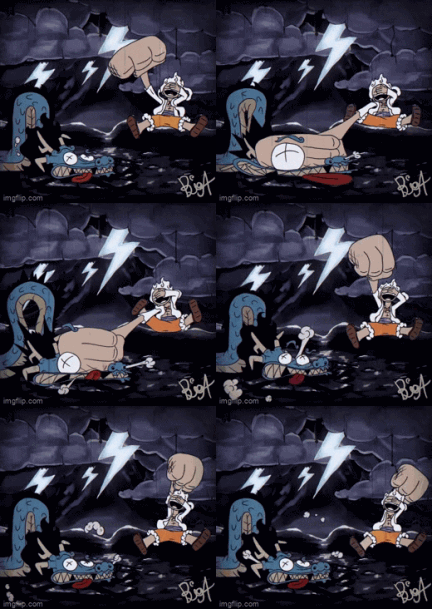
1. The "Invincible" Gear 5 Safety Net: Despite being stabbed by legendary or cursed swords, Luffy almost instantly recovered due to his Mythical Zoan awakening. When a character can effortlessly bounce back from lethal, high-stakes damage, the physical stakes of the battle drop to zero.
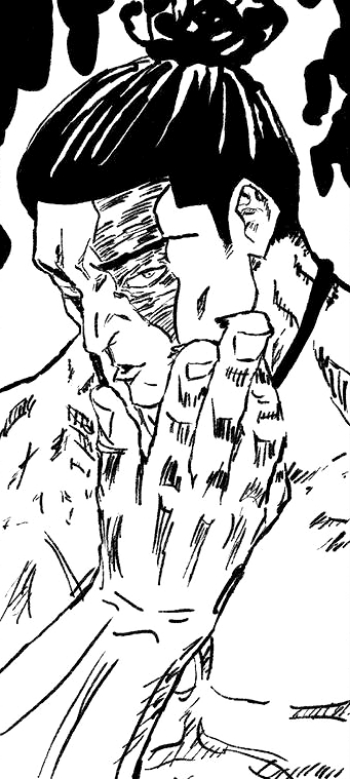
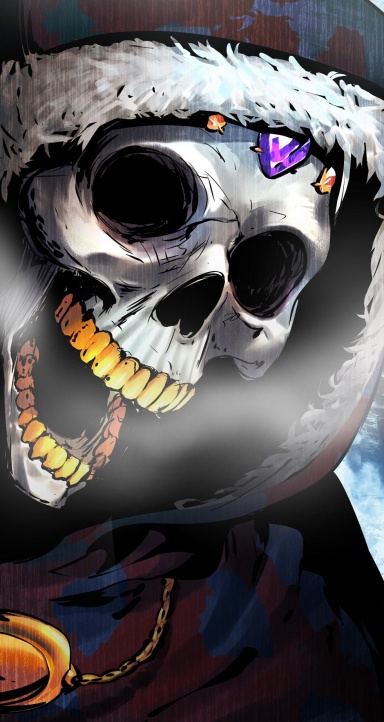
2. De-mystifying Imu Too Fast: As the ultimate, shadowy antagonist built up over hundreds of chapters, Imu's aura took a massive hit in Chapter 1192. Luffy, Loki, and Hajrudin's coordinated assault visibly shocked the World Government leader. Seeing Imu's void shield fail, losing feathers, and literally bleeding from the mouth so early in their active engagement has stripped away the primordial terror the character once commanded.
For good storytelling, you need a few things:
1. Path where the plot is going
2. Danger on this path
For example, if you write a story about a man who travels miles and meets a dangerous cat or a dangerous tiger. Which story will be interesting? The second one, because nothing happens to this man when he meets a dangerous cat.
The core rule of narrative stakes: danger is only as real as the vulnerability of the protagonist.
Same here. Luffy G5 is officially in immortal mode. He can't die, his damage heals in a moment. And if someone who defeated Nika 800 years ago can't do a thing, there will be no tension in the manga.
In Chapter 1192, Eiichiro Oda essentially replaced the "tiger" with a "cat," because no matter how ferocious the enemy looks, Luffy is completely insulated from harm.
When you break down your two rules for storytelling against the current state of One Piece, it becomes clear why the narrative engine has stalled:
1. The Path is Now a Conveyor Belt. A good path should feel like an uphill climb through a swamp. Right now, Luffy’s path to the One Piece feels like a conveyor belt. Because he is the literal reincarnation of Joy Boy/Nika, the story is no longer about a gritty pirate carving out his own destiny through sheer will. Instead, it feels like a predestined prophecy fulfilling itself. When victory is guaranteed by a 1,000-year-old script, the journey loses its magic.
2. The Danger Has No "Teeth" For danger to exist, there must be a genuine threat of permanent loss. The Alabasta/Enies Lobby Era: When Luffy fought Crocodile or Lucci, he was a rubber boy pushing his human body past its absolute limits. When he bled, you worried. When he lost, the stakes were devastating. The Gear 5 Era: Gear 5 turns lethal combat into a Saturday morning cartoon. If getting stabbed by ancient, cursed blades can be shrugged off and healed in a single panel, Luffy is playing with cheat codes.
The Ultimate Stakes Problem. Imu and the Five Elders already defeated the original Nika 800 years ago. Logically, they should represent the ultimate, terrifying apex of power in this world. If the entities who successfully wiped out the Ancient Kingdom and ruled the world for nearly a millennium cannot even make Luffy break a sweat and are instead the ones bleeding and panicking early in the fight, then the story has nowhere left to go. The "tiger" has been completely declawed. Without the threat of failure, the remaining chapters risk becoming a visual spectacle without any emotional weight.
When a story breaks its own fundamental rules of tension and vulnerability, it creates a structural point of no return. Even if Imu reveals a terrifying new form, opens a third eye, or destroys an entire island next week, it will feel hollow because the internal logic of the universe has already been compromised. It becomes visual noise rather than meaningful narrative escalation. By turning Luffy into an untouchable, rapidly healing deity in Chapter 1192, the story shifted genres, moving from a high-stakes battle shonen where underdogs fight for survival to a power fantasy where the ending is entirely predetermined. The tragedy for long-term fans is that this undermines over two decades of emotional investment. When the struggles of Alabasta, Marineford, or Wano are retroactively viewed through the lens of an invincible prophecy, the grit that made One Piece iconic evaporates.
There's no point in continuing to read One Piece:
1. The Death of Narrative Tension (The "Man vs. Tiger" Effect). A story requires a path and genuine danger on that path. By making Luffy’s Gear 5 an invincible "immortal mode" that instantly heals lethal damage, Oda removed the tiger and replaced it with a cat.
The Consequence: Without the threat of permanent loss, injury, or failure, danger becomes an illusion. WE are reading a script where the hero has a permanent safety net.
2. The Destruction of the Past (Retroactive Ruin)Imu and the World Government successfully defeated the original Joy Boy 800 years ago. They are supposed to be the ultimate, terrifying apex of power. By making Imu bleed, panic, and fail so easily against Luffy, the historical stakes collapse.
The Consequence: If the ultimate villains who ruled the world for a millennium cannot even challenge Luffy, then every previous sacrifice in the series becomes meaningless. The hard-fought battles of Alabasta, Enies Lobby, and Marineford lose their weight because Luffy was always destined to be an untouchable god anyway.
3. Shift from Subversion to Predictability. One Piece used to be about an underdog rubber boy using creativity, grit, and sheer willpower to smash through impossible odds. Now, it has devolved into a standard, predictable power fantasy.
The Consequence: The story is no longer about a pirate carving out his own destiny. It is just a conveyor belt fulfilling a 1,000-year-old prophecy. When the ending is mathematically guaranteed by the narrative, the reader's curiosity dies.
The last thing that Oda can do to fix this story:
The Mural Form: If an immortal god-like entity is invading the land of the Giants, there must be a catastrophic body count. Whether it is a legendary figure like Scopper Gaban, a major Giant ally like Loki or Hajrudin, or an actual member of the Straw Hat crew, someone of immense value needs to be permanently erased from the story.
If Oda refuses to pull the trigger on major character deaths during this final war, the consequences for the manga are fatal:
The World Government Becomes a Joke: If the Five Elders, the Holy Knights, and an ancient immortal deity like Imu launch a full-scale assault and manage to kill absolutely no one of consequence, they lose all credibility as villains. They cease to be a terrifying regime and turn into a minor inconvenience.
The "Cartoonification" of War: Gear 5 already pushes the boundaries of serious tension with its looney-tunes aesthetic. If you pair that goofy nature with an entire army surviving a apocalyptic battle completely unscathed, the manga stops being an epic chronicle of a pirate war and becomes a literal children's cartoon.
Zero Emotional Payoff: The greatest moments in One Piece history, like the tragedy of Marineford, worked because the stakes were real and the loss was permanent. If the final war lacks that exact emotional gravity, the ending of the series will feel completely hollow
If Imu undergoes a final transformation and everyone still skates away with plot armor, the story falls apart completely:
The Final Form Becomes Purely Cosmetic: A villain's final form is supposed to represent an entirely new level of existential dread. If Imu transforms just to look scarier, but their attacks still fail to eliminate a single relevant character, the transformation is entirely hollow. It turns a terrifying world ruler into nothing more than a flashy anime trope.
The Illusion of Danger Evaporates Permanently: If the ultimate villain's absolute peak power cannot kill anyone, it proves to the reader that the characters are protected by a permanent narrative shield. Once the audience knows no one can die, every future action sequence, explosion, and cliffhanger loses its meaning.
A "Bloodless" War Ruining 25+ Years of Build-up: You cannot write a decades-long saga about a global revolution against a tyrannical regime and wrap it up as a bloodless victory. For a final form to have any narrative weight, it must demand a sacrifice. If Oda unveils Imu's final form and everyone survives purely through Gear 5's cartoon logic or typical shonen armor, dropping the series is the only logical response. The writing will have officially chosen safe, consequence-free storytelling over real artistic value.
@Loki D. Terror @soupongo @Cross_Marian @JoNdule @Elder Lee Hung
1. The "Invincible" Gear 5 Safety Net: Despite being stabbed by legendary or cursed swords, Luffy almost instantly recovered due to his Mythical Zoan awakening. When a character can effortlessly bounce back from lethal, high-stakes damage, the physical stakes of the battle drop to zero.
2. De-mystifying Imu Too Fast: As the ultimate, shadowy antagonist built up over hundreds of chapters, Imu's aura took a massive hit in Chapter 1192. Luffy, Loki, and Hajrudin's coordinated assault visibly shocked the World Government leader. Seeing Imu's void shield fail, losing feathers, and literally bleeding from the mouth so early in their active engagement has stripped away the primordial terror the character once commanded.
For good storytelling, you need a few things:
1. Path where the plot is going
2. Danger on this path
For example, if you write a story about a man who travels miles and meets a dangerous cat or a dangerous tiger. Which story will be interesting? The second one, because nothing happens to this man when he meets a dangerous cat.
The core rule of narrative stakes: danger is only as real as the vulnerability of the protagonist.
Same here. Luffy G5 is officially in immortal mode. He can't die, his damage heals in a moment. And if someone who defeated Nika 800 years ago can't do a thing, there will be no tension in the manga.
In Chapter 1192, Eiichiro Oda essentially replaced the "tiger" with a "cat," because no matter how ferocious the enemy looks, Luffy is completely insulated from harm.
When you break down your two rules for storytelling against the current state of One Piece, it becomes clear why the narrative engine has stalled:
1. The Path is Now a Conveyor Belt. A good path should feel like an uphill climb through a swamp. Right now, Luffy’s path to the One Piece feels like a conveyor belt. Because he is the literal reincarnation of Joy Boy/Nika, the story is no longer about a gritty pirate carving out his own destiny through sheer will. Instead, it feels like a predestined prophecy fulfilling itself. When victory is guaranteed by a 1,000-year-old script, the journey loses its magic.
2. The Danger Has No "Teeth" For danger to exist, there must be a genuine threat of permanent loss. The Alabasta/Enies Lobby Era: When Luffy fought Crocodile or Lucci, he was a rubber boy pushing his human body past its absolute limits. When he bled, you worried. When he lost, the stakes were devastating. The Gear 5 Era: Gear 5 turns lethal combat into a Saturday morning cartoon. If getting stabbed by ancient, cursed blades can be shrugged off and healed in a single panel, Luffy is playing with cheat codes.
The Ultimate Stakes Problem. Imu and the Five Elders already defeated the original Nika 800 years ago. Logically, they should represent the ultimate, terrifying apex of power in this world. If the entities who successfully wiped out the Ancient Kingdom and ruled the world for nearly a millennium cannot even make Luffy break a sweat and are instead the ones bleeding and panicking early in the fight, then the story has nowhere left to go. The "tiger" has been completely declawed. Without the threat of failure, the remaining chapters risk becoming a visual spectacle without any emotional weight.
When a story breaks its own fundamental rules of tension and vulnerability, it creates a structural point of no return. Even if Imu reveals a terrifying new form, opens a third eye, or destroys an entire island next week, it will feel hollow because the internal logic of the universe has already been compromised. It becomes visual noise rather than meaningful narrative escalation. By turning Luffy into an untouchable, rapidly healing deity in Chapter 1192, the story shifted genres, moving from a high-stakes battle shonen where underdogs fight for survival to a power fantasy where the ending is entirely predetermined. The tragedy for long-term fans is that this undermines over two decades of emotional investment. When the struggles of Alabasta, Marineford, or Wano are retroactively viewed through the lens of an invincible prophecy, the grit that made One Piece iconic evaporates.
There's no point in continuing to read One Piece:
1. The Death of Narrative Tension (The "Man vs. Tiger" Effect). A story requires a path and genuine danger on that path. By making Luffy’s Gear 5 an invincible "immortal mode" that instantly heals lethal damage, Oda removed the tiger and replaced it with a cat.
The Consequence: Without the threat of permanent loss, injury, or failure, danger becomes an illusion. WE are reading a script where the hero has a permanent safety net.
2. The Destruction of the Past (Retroactive Ruin)Imu and the World Government successfully defeated the original Joy Boy 800 years ago. They are supposed to be the ultimate, terrifying apex of power. By making Imu bleed, panic, and fail so easily against Luffy, the historical stakes collapse.
The Consequence: If the ultimate villains who ruled the world for a millennium cannot even challenge Luffy, then every previous sacrifice in the series becomes meaningless. The hard-fought battles of Alabasta, Enies Lobby, and Marineford lose their weight because Luffy was always destined to be an untouchable god anyway.
3. Shift from Subversion to Predictability. One Piece used to be about an underdog rubber boy using creativity, grit, and sheer willpower to smash through impossible odds. Now, it has devolved into a standard, predictable power fantasy.
The Consequence: The story is no longer about a pirate carving out his own destiny. It is just a conveyor belt fulfilling a 1,000-year-old prophecy. When the ending is mathematically guaranteed by the narrative, the reader's curiosity dies.
The last thing that Oda can do to fix this story:
The Mural Form: If an immortal god-like entity is invading the land of the Giants, there must be a catastrophic body count. Whether it is a legendary figure like Scopper Gaban, a major Giant ally like Loki or Hajrudin, or an actual member of the Straw Hat crew, someone of immense value needs to be permanently erased from the story.
If Oda refuses to pull the trigger on major character deaths during this final war, the consequences for the manga are fatal:
The World Government Becomes a Joke: If the Five Elders, the Holy Knights, and an ancient immortal deity like Imu launch a full-scale assault and manage to kill absolutely no one of consequence, they lose all credibility as villains. They cease to be a terrifying regime and turn into a minor inconvenience.
The "Cartoonification" of War: Gear 5 already pushes the boundaries of serious tension with its looney-tunes aesthetic. If you pair that goofy nature with an entire army surviving a apocalyptic battle completely unscathed, the manga stops being an epic chronicle of a pirate war and becomes a literal children's cartoon.
Zero Emotional Payoff: The greatest moments in One Piece history, like the tragedy of Marineford, worked because the stakes were real and the loss was permanent. If the final war lacks that exact emotional gravity, the ending of the series will feel completely hollow
If Imu undergoes a final transformation and everyone still skates away with plot armor, the story falls apart completely:
The Final Form Becomes Purely Cosmetic: A villain's final form is supposed to represent an entirely new level of existential dread. If Imu transforms just to look scarier, but their attacks still fail to eliminate a single relevant character, the transformation is entirely hollow. It turns a terrifying world ruler into nothing more than a flashy anime trope.
The Illusion of Danger Evaporates Permanently: If the ultimate villain's absolute peak power cannot kill anyone, it proves to the reader that the characters are protected by a permanent narrative shield. Once the audience knows no one can die, every future action sequence, explosion, and cliffhanger loses its meaning.
A "Bloodless" War Ruining 25+ Years of Build-up: You cannot write a decades-long saga about a global revolution against a tyrannical regime and wrap it up as a bloodless victory. For a final form to have any narrative weight, it must demand a sacrifice. If Oda unveils Imu's final form and everyone survives purely through Gear 5's cartoon logic or typical shonen armor, dropping the series is the only logical response. The writing will have officially chosen safe, consequence-free storytelling over real artistic value.
@Loki D. Terror @soupongo @Cross_Marian @JoNdule @Elder Lee Hung
Last edited: