General & Others Next Strawhat Crew Members and the Grand Fleet
- Thread starter Guan Yu
- Start date
- Tags #carrot4prison #furries4carrot #larrot #yamato4nakama #yamatofansunite #yamatoisnakama carrot blows cry about carrot furries for nakama furries scurries i need my support carrot body pillow oni princess and the pirate king this thread stupid we're here for jew vs dizzy who wants rabbit stew yamato > carrot yamato best girl yamato finds the one piece yamato hype yamato is the last crew mate
- Status
- Not open for further replies.
More options
Who Replied?
There's also Oda's self-professed love of soccer, which has 11 players on the field for a team.
I actually wouldn't be surprised that if it is meant to be 13 that it ended up including the Thousand Sunny and Vivi already.
Already a big assumption, and a wrong one at that. I first read that book in highschool when I was getting serious about writing my novel. Not off to a great start here.
Yes, I understood this already. I literally quoted in in my last reply. Did you really not pay attention to anything that wasn't highlighted? If you're seriously trying to learn, you have to treat every line as important even if it's not. You describe this book as your bible, but you admitted above that you may have no understanding of it, and now you say you only thought the highlighted portions were important.
Here I just stated that I would not take part in your invectives. And no, those are different quotes
Respect is not what either of them are fighting for. Helmeppo does not want to be respected. He wants to be feared. This is why he always invokes his father's name and not his own. He knows that he is not respected. But having his father's backing makes him feared. It's also why he watches as his feral beast almost kills a little girl, and smiles. He's getting off on the fact that no one can stop it. This is a common characteristic. A weak person, when given power over others, abuses it because they like feeling strong for once. Respect, instead of fear, is what he decided he wanted after he lost, when he trained with Coby.
And Zoro's goal of being the strongest swordsman has nothing to do with his conflict with helmeppo. beating Helmeppo or Morgan will not help him become stronger. They're too weak for him to even bother with normally. He is fighting to survive, and to save the little girl. Zoro didn't fight for respect until his first clash with Mihawk. Even Cabaji was not about respect, but about pride.
Here we are not talking about the battle against Cabaji, but the conflict between Helmeppo and Zoro.
Yes, I'm aware of One Piece's loose definition of treasure. Far too lose to be used seriously in this context. A term that can connect "the moon" and "truth" can connect just about anything. One of the biggest themes of One Piece is that treasure can be literally anything as long as it's important to you. So in essence, saying they are fighting to find treasure just means they are fighting for what's important to them, which describes basically every conflict in fiction.
Luffy and Ener are fighting for the same things,a treasure.. a real one. Why do you think Oda is putting the final conflict directely against the bell, something that both cahracter were looking for.
In that nature.. Skypea is amazing. Without that clash of desire, the ending wouldn't be that impactfull and that last page would not bring tears to people.
You can look at it another way, going back to Anatomy of a Story.
"Instead you must see the opponent structurally, in terms of his function in the story. A true opponent not only wants to prevent the hero from achieving his desire but is competing with the hero for the same goal.
Notice that this way of defining the opponent organically links this step to your hero’s desire. It is only by competing for the same goal that the hero and the opponent are forced to come into direct conflict and to do so againg and again throughout the story. If you give your hero and opponent two separate goals, each one can get what he wants without coming into direct conflict. And then you have no story at all."
In other words, if character's follow this rule, a situation where they have conflict with each other will happen naturally and not have to be forced.
"Instead you must see the opponent structurally, in terms of his function in the story. A true opponent not only wants to prevent the hero from achieving his desire but is competing with the hero for the same goal.
Notice that this way of defining the opponent organically links this step to your hero’s desire. It is only by competing for the same goal that the hero and the opponent are forced to come into direct conflict and to do so againg and again throughout the story. If you give your hero and opponent two separate goals, each one can get what he wants without coming into direct conflict. And then you have no story at all."
In other words, if character's follow this rule, a situation where they have conflict with each other will happen naturally and not have to be forced.
But Luffy and Enel's conflict had to be forced. Enel could have simply gone to the moon without destroying skypeia on his way out, and Luffy could have rung the bell unimpeded. Because Oda was not following this rule, Enel and Luffy had to be forced into a conflict that was unnecessary for both of their goals in order to have a plot. That's exactly what this section is trying to prevent.
What i'm telling is that it is not something that Oda can really avoid. This rule is a logical consequence of putting similar values against each others. The way of creating similar under desire is just good writing.
Stories were the character's and the adversary's desires are not related in anyway are mostly very bad stories.. precisely because they don't understand that to create great conflict we must oppose two similar desires.
One Piece is everything but that. each conflict rings because precisely they have meaning, there is a clash of values.
Pretty sure I said LUFFY and Akainu, not Ace. And it was you who said many times that Luffy is ALWAYS the protagonist, so we have to measure the antagonists next to him. Luffy doesn't give a flying fuck about the great pirate era. He just didn't want Ace to die. It's nowhere close to Akainu's goal. And even if we were talking about Ace, you've shown once again that you don't understand these concepts. Just because they regard the same thing doesn't mean they're the same goal. One wants to kill Whitebeard, and the other wants to protect him. That's conflicting goals, not the same one. Read the example from the book again.
Yes Luffy is always the MAIN protagonist and his big ennemies are always the MAIN antagonist, but it doesn't mean that there are not character revolving aroung them.
I may surprise you but Luffy had (almost) no major antagonist during this war. (Marineford, not ImpelDown).That's precisely why you can see him passing by all those ennemy (admiral included) without having a real brawl. In a sence you could say that the real Antagonist of Luffy is the entire Marine (as a group more than specific characters)
"For example, in a detective story, it appears that the hero wants to catch the killer and the opponent wants to get away. But they are really fighting over which version of reality everyone will believe."
They are both regarding the killer. One wants him captured, the other wants him free. But according to your bible, this is not enough. Instead, they are fighting over who controls what people will believe. So why is it enough for Ace and Akainu?
They are both regarding the killer. One wants him captured, the other wants him free. But according to your bible, this is not enough. Instead, they are fighting over who controls what people will believe. So why is it enough for Ace and Akainu?
This is precisely what I means by "desires in conflict" the "whodoneit" stories are very good, clear and simple example of that clash of desire. In fact you can sometimes spot good from bad crime fiction only by the care the author put in the moral debate and deepness of the desire's conflicts.
I agree on this one, which is why I said "almost" none of them follow it. Katakuri is a rare case where Oda did follow it.
Once again, these are conflicting because their "fathers'" wishes are conflicting. Imo the explanation on this was a stretch to begin with anyway. Sanji's method of fighting Gin is different from his reason for fighting Gin. His reason was simply to protect his family and home.
Again, conflicting goals regarding the same thing =/= competing for the same goal. See the detective example from Anatomy of a Story again.
Wrong, those are EXACTLY the same things. There is conflict precisely because there is a competition of values and goal. Those can be opposite in appearance, but deep down, they are the same. That's all the beauty of the conflict between Judge and Sanji for exemple.
You didn't prove me wrong, actually you proved me right. Nearly every example you gave shows a fundamental lack of understanding of the "high end literary concepts" you keep bragging about knowing.
For extra measure let's add another example of Oda not following Truby's mold.
"Writers who know that the story doesn’t galvanize the audience until the hero’s desire kicks in sometimes get a little too smart for their own good. They thing, “I’ll just skip the weakness-and-need step and start with desire.” They’ve just made a pact with the devil.
Opening with desire does give your story a quick start. But it also kills the payoff, the ending of the story. Weakness and need are the foundation of any story. They are what makes it possible for your hero to change at the end. They’re what makes the story personal and meaningful. And they’re what makes the audience care.
Don’t skip that first step. Ever."
Just how many of the strawhats had their weakness and need shown before their desire? not many.
"Writers who know that the story doesn’t galvanize the audience until the hero’s desire kicks in sometimes get a little too smart for their own good. They thing, “I’ll just skip the weakness-and-need step and start with desire.” They’ve just made a pact with the devil.
Opening with desire does give your story a quick start. But it also kills the payoff, the ending of the story. Weakness and need are the foundation of any story. They are what makes it possible for your hero to change at the end. They’re what makes the story personal and meaningful. And they’re what makes the audience care.
Don’t skip that first step. Ever."
Just how many of the strawhats had their weakness and need shown before their desire? not many.
Luffy's recklessness was litterally depicted at his first panel
Zoro's confidence was depicted the moment he started to speak to Luffy
Usopp lack of courage was depictedway before the creation of his desire
Nami's lack of trust was depicted during the conversation with Luffy during the baggy Arc.
Sanji lacks of determination was depicted pretty much at the same time of his flashback
Chopper's lack of confidence was depicted before any mention of desire
Robin's lack of will to live and trust was depicted during Alabasta
Franky's pride problem was depicted during his flashback pretty much as the same time as the creation of his desire.
Brook being a loner was pretty much the first thing he did, we only understood about Laboon way later
I would only agree for Jinbe as his arc is a bit convoluted.
One Piece is a fun read, but like Oda said himself, it's really not that deep.
One Piece is not "deep", it's just perfectly crafted. His structure is pretty simple in fact.
Outside of One PIece as I explained to Van, those concept are not difficult nor that deep. They might appear as well for someone who never took a step into the analysis of story but those "rule" and "methods" are EVERYWHERE. One Piece is just doing them in such a way that they are perfectly hitting the spot.
There is a reason Oda is able to make us cry for a ship, he has a very DEEP understanding on how a story must be crafted and he is doing that (almost) at the perfection but not only that: he has also created his OWN rules and they work.
That's why I can say so much about the potential of Carrot, I manage to descript SOME of those rules. They are not that deep, justvery carefully crafted
[automerge]1642233949[/automerge]
You have a huge ego and you're riding on that high horse. Man I knew I pegged you as an egotistical narcissist.
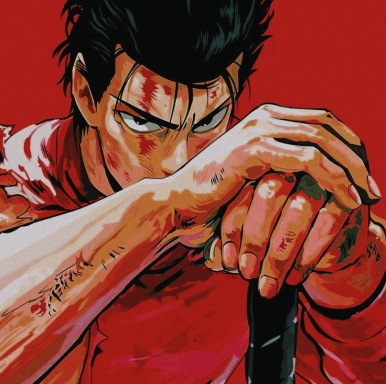

The only way for me to convince that Carrot has a chance of joining the SHs is for her to have a tag battle with Zoro on equal footing... Just like Sanji and Jinbe did during the Battle of Gyoncorde Plaza...
Don't ask why I'm not looking for that with Yamato... I'm sure Zoro and Yamato will tag battle ("Hakai")... There's no need for that to make a case since it's very obvious...

Don't ask why I'm not looking for that with Yamato... I'm sure Zoro and Yamato will tag battle ("Hakai")... There's no need for that to make a case since it's very obvious...

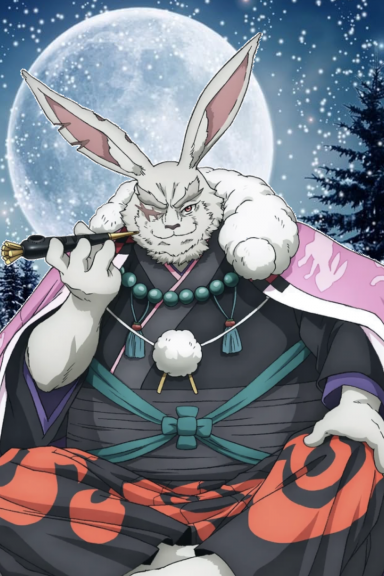
The only way for me to convince that Carrot has a chance of joining the SHs is for her to have a tag battle with Zoro on equal footing... Just like Sanji and Jinbe did during the Battle of Gyoncorde Plaza...
Don't ask why I'm not looking for that with Yamato... I'm sure Zoro and Yamato will tag battle ("Hakai")... There's no need for that to make a case since it's very obvious...
Don't ask why I'm not looking for that with Yamato... I'm sure Zoro and Yamato will tag battle ("Hakai")... There's no need for that to make a case since it's very obvious...
:zorothink:
Personally, I always though an ideal situation would be a tag team like you suggested but it also be a scene that can show her value as a lookout.
Like she teams up with Usopp and she acts as his spotter. Finding new targets for him using her senses while he's sniping. Like it would be a chaotic situation with enemies and high priority targets all around. Maybe a similar situation like in Syrup village where she carries him around like Zoro did.
Both need that big moment in this arc so it seems the most natural to me.
Very unlikely, but something that I would really like to see.

[automerge]1642262027[/automerge]
Tama with 61 votes
The SHs might have needed her in order to tame pretty powerful sea monsters or giants in Elbaf if possible or maybe even Zunisha lmfao. The plot is turning so spicey. 🧐
The SHs might have needed her in order to tame pretty powerful sea monsters or giants in Elbaf if possible or maybe even Zunisha lmfao. The plot is turning so spicey. 🧐
Last edited:
Fair, but as a writer, this is a very important thing that you should know.
Indeed, my first read of the book was poor. I was still in my artist phase and I thought that I had nothing to learn. it took me multiple reread and a deconstruction of the entire book to be able to understand fully the notion put it place. It was long, but I now know the conceptualisation of stories like hell.
Here I just stated that I would not take part in your invectives. And no, those are different quotes
Yes it is. That's exactly why Oda created such a relationship between Helmeppo and his father.. But we might not read the same story here..
Zoro's arc has EVERYTHING to do with respect. What ZOro wants, at the end of the line is to be the most respected Swordman, so much that hisname will echo through the skies.And remember. Zoro is not the one beating Helmeppo, it's Luffy.
Here we are not talking about the battle against Cabaji, but the conflict between Helmeppo and Zoro.
I choosed the word treasure precisely because this is the end goal of the strawhats for the arc.This is not something broad at all, in the arc of Skypea, it has a very strong importance, both in term of themes (and storylines) but also with whatthe actual content. The is THE arc of treasure quest. This is been milking through every part of the arc and the values between the two major character here.
Luffy and Ener are fighting for the same things,a treasure.. a real one. Why do you think Oda is putting the final conflict directely against the bell, something that both cahracter were looking for.
In that nature.. Skypea is amazing. Without that clash of desire, the ending wouldn't be that impactfull and that last page would not bring tears to people.
And that's precisely what I'm explaining. This paragraph does not enter in opposition with the previous one but is complementary ! Truby means here that by giving to different goal but similar values (in conflict) you will naturally write two character that will come into conflict. But what he is not saying here is that, they will ALSO end up fighting naturally for the same thing (it's logical as their values/environment/storyline/characterization are similar)
No there is nothing forced here. Oda might have just started with the values first.. the story of the moon, the bell and everything, might have just appeared naturally.
What i'm telling is that it is not something that Oda can really avoid. This rule is a logical consequence of putting similar values against each others. The way of creating similar under desire is just good writing.
Stories were the character's and the adversary's desires are not related in anyway are mostly very bad stories.. precisely because they don't understand that to create great conflict we must oppose two similar desires.
One Piece is everything but that. each conflict rings because precisely they have meaning, there is a clash of values.
Ah sorry, I wouldn't go as far as taking Akainu as a real antagonist of Luffy during this war. He WILL be one (i'm pretty sure of it), but there was almost no interactions between the two during marineford.
Yes Luffy is always the MAIN protagonist and his big ennemies are always the MAIN antagonist, but it doesn't mean that there are not character revolving aroung them.
I may surprise you but Luffy had (almost) no major antagonist during this war. (Marineford, not ImpelDown).That's precisely why you can see him passing by all those ennemy (admiral included) without having a real brawl. In a sence you could say that the real Antagonist of Luffy is the entire Marine (as a group more than specific characters)
in that quote, Truby is basically saying that the Killer AND the detective are fighting both for the same thing: a version of reality.
This is precisely what I means by "desires in conflict" the "whodoneit" stories are very good, clear and simple example of that clash of desire. In fact you can sometimes spot good from bad crime fiction only by the care the author put in the moral debate and deepness of the desire's conflicts.
Not really.. Oda was just very on the nose for that conflict. But that's logical, he had to make understand without too few words that a respect was slowly but surely building between the two.
No.. trust me. If you don't believe me, I really don't see how I can make you understand beside giving you panels showing that struggle of Sanji between what he thinks he should do for Zeff.. and what Zeff really wants. I don't have the strenght, too tired right now, so please just go read chapter 59 once more for me please.
Wrong, those are EXACTLY the same things. There is conflict precisely because there is a competition of values and goal. Those can be opposite in appearance, but deep down, they are the same. That's all the beauty of the conflict between Judge and Sanji for exemple.
Well.. I thought you would understand.. but you got me a little bit fabbergasted here. I don't know how to reach you as you seems to think by principle that I'm wrong and so you are completely closing yourself from a rule of storytelling. And if I can't reach you, there is NO CHANCE that the other will listen, so.. I'm in a pikkle here lol
Yes, but you should now that it is not true with One Piece, the pay offs are not killed by that, this is why SHonen are so praised. Author are finding way to avoid killing the payoffs.. Plus is kinda wrong as
Luffy's recklessness was litterally depicted at his first panel
Zoro's confidence was depicted the moment he started to speak to Luffy
Usopp lack of courage was depictedway before the creation of his desire
Nami's lack of trust was depicted during the conversation with Luffy during the baggy Arc.
Sanji lacks of determination was depicted pretty much at the same time of his flashback
Chopper's lack of confidence was depicted before any mention of desire
Robin's lack of will to live and trust was depicted during Alabasta
Franky's pride problem was depicted during his flashback pretty much as the same time as the creation of his desire.
Brook being a loner was pretty much the first thing he did, we only understood about Laboon way later
I would only agree for Jinbe as his arc is a bit convoluted.
I think you are mixing up "deep" and "structurally amazing"
One Piece is not "deep", it's just perfectly crafted. His structure is pretty simple in fact.
Outside of One PIece as I explained to Van, those concept are not difficult nor that deep. They might appear as well for someone who never took a step into the analysis of story but those "rule" and "methods" are EVERYWHERE. One Piece is just doing them in such a way that they are perfectly hitting the spot.
There is a reason Oda is able to make us cry for a ship, he has a very DEEP understanding on how a story must be crafted and he is doing that (almost) at the perfection but not only that: he has also created his OWN rules and they work.
That's why I can say so much about the potential of Carrot, I manage to descript SOME of those rules. They are not that deep, justvery carefully crafted
[automerge]1642233949[/automerge]
On that you are completely right
Indeed, my first read of the book was poor. I was still in my artist phase and I thought that I had nothing to learn. it took me multiple reread and a deconstruction of the entire book to be able to understand fully the notion put it place. It was long, but I now know the conceptualisation of stories like hell.
Here I just stated that I would not take part in your invectives. And no, those are different quotes
Yes it is. That's exactly why Oda created such a relationship between Helmeppo and his father.. But we might not read the same story here..
Zoro's arc has EVERYTHING to do with respect. What ZOro wants, at the end of the line is to be the most respected Swordman, so much that hisname will echo through the skies.And remember. Zoro is not the one beating Helmeppo, it's Luffy.
Here we are not talking about the battle against Cabaji, but the conflict between Helmeppo and Zoro.
I choosed the word treasure precisely because this is the end goal of the strawhats for the arc.This is not something broad at all, in the arc of Skypea, it has a very strong importance, both in term of themes (and storylines) but also with whatthe actual content. The is THE arc of treasure quest. This is been milking through every part of the arc and the values between the two major character here.
Luffy and Ener are fighting for the same things,a treasure.. a real one. Why do you think Oda is putting the final conflict directely against the bell, something that both cahracter were looking for.
In that nature.. Skypea is amazing. Without that clash of desire, the ending wouldn't be that impactfull and that last page would not bring tears to people.
And that's precisely what I'm explaining. This paragraph does not enter in opposition with the previous one but is complementary ! Truby means here that by giving to different goal but similar values (in conflict) you will naturally write two character that will come into conflict. But what he is not saying here is that, they will ALSO end up fighting naturally for the same thing (it's logical as their values/environment/storyline/characterization are similar)
No there is nothing forced here. Oda might have just started with the values first.. the story of the moon, the bell and everything, might have just appeared naturally.
What i'm telling is that it is not something that Oda can really avoid. This rule is a logical consequence of putting similar values against each others. The way of creating similar under desire is just good writing.
Stories were the character's and the adversary's desires are not related in anyway are mostly very bad stories.. precisely because they don't understand that to create great conflict we must oppose two similar desires.
One Piece is everything but that. each conflict rings because precisely they have meaning, there is a clash of values.
Ah sorry, I wouldn't go as far as taking Akainu as a real antagonist of Luffy during this war. He WILL be one (i'm pretty sure of it), but there was almost no interactions between the two during marineford.
Yes Luffy is always the MAIN protagonist and his big ennemies are always the MAIN antagonist, but it doesn't mean that there are not character revolving aroung them.
I may surprise you but Luffy had (almost) no major antagonist during this war. (Marineford, not ImpelDown).That's precisely why you can see him passing by all those ennemy (admiral included) without having a real brawl. In a sence you could say that the real Antagonist of Luffy is the entire Marine (as a group more than specific characters)
in that quote, Truby is basically saying that the Killer AND the detective are fighting both for the same thing: a version of reality.
This is precisely what I means by "desires in conflict" the "whodoneit" stories are very good, clear and simple example of that clash of desire. In fact you can sometimes spot good from bad crime fiction only by the care the author put in the moral debate and deepness of the desire's conflicts.
Not really.. Oda was just very on the nose for that conflict. But that's logical, he had to make understand without too few words that a respect was slowly but surely building between the two.
No.. trust me. If you don't believe me, I really don't see how I can make you understand beside giving you panels showing that struggle of Sanji between what he thinks he should do for Zeff.. and what Zeff really wants. I don't have the strenght, too tired right now, so please just go read chapter 59 once more for me please.
Wrong, those are EXACTLY the same things. There is conflict precisely because there is a competition of values and goal. Those can be opposite in appearance, but deep down, they are the same. That's all the beauty of the conflict between Judge and Sanji for exemple.
Well.. I thought you would understand.. but you got me a little bit fabbergasted here. I don't know how to reach you as you seems to think by principle that I'm wrong and so you are completely closing yourself from a rule of storytelling. And if I can't reach you, there is NO CHANCE that the other will listen, so.. I'm in a pikkle here lol
Yes, but you should now that it is not true with One Piece, the pay offs are not killed by that, this is why SHonen are so praised. Author are finding way to avoid killing the payoffs.. Plus is kinda wrong as
Luffy's recklessness was litterally depicted at his first panel
Zoro's confidence was depicted the moment he started to speak to Luffy
Usopp lack of courage was depictedway before the creation of his desire
Nami's lack of trust was depicted during the conversation with Luffy during the baggy Arc.
Sanji lacks of determination was depicted pretty much at the same time of his flashback
Chopper's lack of confidence was depicted before any mention of desire
Robin's lack of will to live and trust was depicted during Alabasta
Franky's pride problem was depicted during his flashback pretty much as the same time as the creation of his desire.
Brook being a loner was pretty much the first thing he did, we only understood about Laboon way later
I would only agree for Jinbe as his arc is a bit convoluted.
I think you are mixing up "deep" and "structurally amazing"
One Piece is not "deep", it's just perfectly crafted. His structure is pretty simple in fact.
Outside of One PIece as I explained to Van, those concept are not difficult nor that deep. They might appear as well for someone who never took a step into the analysis of story but those "rule" and "methods" are EVERYWHERE. One Piece is just doing them in such a way that they are perfectly hitting the spot.
There is a reason Oda is able to make us cry for a ship, he has a very DEEP understanding on how a story must be crafted and he is doing that (almost) at the perfection but not only that: he has also created his OWN rules and they work.
That's why I can say so much about the potential of Carrot, I manage to descript SOME of those rules. They are not that deep, justvery carefully crafted
[automerge]1642233949[/automerge]
On that you are completely right
I'll get into this later since I don't have time at the moment, but for now I'll say this. I'm going to give you the benefit of the doubt since English is not your native language and assume that was the issue, but your lack of understanding of Anatomy of a Story is apalling for someone who claims it's their bible. You looked at the sections we discussed and walked away with a message that is literally the exact opposite of what the author was trying to convey. I have taken exams, written essays, and sat through lectures on Anatomy of a Story. I had one class where the professor contacted John Truby to actually do a video call into the class and talk about his book (This is common for courses that use a book by an individual author as their main textbook). I know exactly what I'm talking about. My understanding of it from 4 years of classes (and A's in each one of them) is not going to be changed by some rando on the internet. You're clearly out of your depth here, and I think you should try learning English better and then reading the original version instead of a translation.
I'll get into this later since I don't have time at the moment, but for now I'll say this. I'm going to give you the benefit of the doubt since English is not your native language and assume that was the issue, but your lack of understanding of Anatomy of a Story is apalling for someone who claims it's their bible. You looked at the sections we discussed and walked away with a message that is literally the exact opposite of what the author was trying to convey. I have taken exams, written essays, and sat through lectures on Anatomy of a Story. I had one class where the professor contacted John Truby to actually do a video call into the class and talk about his book (This is common for courses that use a book by an individual author as their main textbook). I know exactly what I'm talking about. My understanding of it from 4 years of classes (and A's in each one of them) is not going to be changed by some rando on the internet. You're clearly out of your depth here, and I think you should try learning English better and then reading the original version instead of a translation.

Imagine trying to argue with someone that literally talked to the author about the book your arguing about.
How can anyone even respond to that...


The only way for me to convince that Carrot has a chance of joining the SHs is for her to have a tag battle with Zoro on equal footing... Just like Sanji and Jinbe did during the Battle of Gyoncorde Plaza...
Don't ask why I'm not looking for that with Yamato... I'm sure Zoro and Yamato will tag battle ("Hakai")... There's no need for that to make a case since it's very obvious...
Don't ask why I'm not looking for that with Yamato... I'm sure Zoro and Yamato will tag battle ("Hakai")... There's no need for that to make a case since it's very obvious...
Yamato has a tag battle with the captain himself in this beautiful double spread

God damn...
Imagine trying to argue with someone that literally talked to the author about the book your arguing about.
How can anyone even respond to that...
Imagine trying to argue with someone that literally talked to the author about the book your arguing about.
How can anyone even respond to that...
What the hell? I thought this was a discussion on who the people thought would join the Straw Hats. I think that if Oda himself would read this discussion his reaction would be:

To be fair, I didn't get to talk to him personally, since it was a huge class and I never got picked for the Q and A portion, but I did get to hear him explain a lot about his book.
Yeah, part of me wants to just stop because One Piece in a conversation about high end literature is probably the most cringey thing I've ever discussed, but I'm just sick of Anatomy of a Story being brought up as if it relates to Carrot or Yamato in any way. Am I ashamed? Yes. Am I going to stop? No.
Yeah, part of me wants to just stop because One Piece in a conversation about high end literature is probably the most cringey thing I've ever discussed, but I'm just sick of Anatomy of a Story being brought up as if it relates to Carrot or Yamato in any way. Am I ashamed? Yes. Am I going to stop? No.
:cheers:
I'll get into this later since I don't have time at the moment, but for now I'll say this. I'm going to give you the benefit of the doubt since English is not your native language and assume that was the issue, but your lack of understanding of Anatomy of a Story is apalling for someone who claims it's their bible. You looked at the sections we discussed and walked away with a message that is literally the exact opposite of what the author was trying to convey. I have taken exams, written essays, and sat through lectures on Anatomy of a Story. I had one class where the professor contacted John Truby to actually do a video call into the class and talk about his book (This is common for courses that use a book by an individual author as their main textbook). I know exactly what I'm talking about. My understanding of it from 4 years of classes (and A's in each one of them) is not going to be changed by some rando on the internet. You're clearly out of your depth here, and I think you should try learning English better and then reading the original version instead of a translation.
I also know exactly what I'm talking about. Not only because this is how I write, but also because I have litterally dissected the book for 10 years along with other writers (McKee/Huntley+P/Snyder/Vogler/Campbell....) after taking courses around the creation of story among screenwriters for half this time. So I have 15 years of background and during that, I never stopped analysing One Piece and learning about it.. so yeah... I'm sorry to say it to you like that, but You are clearly missing something here.
As a matter of fact: I found the english version of that part I'm talking about and it's the same:
"If you look at a number of good stories, it often appears, at first glance, that hero and opponent are not competing for the same goal. But look again. See if you can spot what they are really fighting about. For example, in a detective story, it appears that the hero wants to catch the killer and the opponent wants to get away. But they are really fighting over which version of reality everyone will believe. The trick to creating an opponent who wants the same goal as the hero is to find the deepest level of conflict between them. Ask yourself "What is the most important thing they are fighting about?" That must be the focus of your story"
And It's not about translation, in fact I don't even NEED this version to see that what John Truby is describing as the is in EVERY FUDGING GOOD STORY in the world, the guy only just pointed out a storytelling basis! And this is one of if not THE element that makes the differences between a meh story and a strong one.
So yeah.. you are completely missinterpreting the story because of what you think is untrue..
Here are others example showing that you are wrong in One Piece:
Luffy VS Usopp's common desire: Their visions they have of the Sunny
Luffy VS Kaido's common desire: The control for Wano
Zoro VS King's common desire: To fullfil their promise to their captain and friends
Robin VS Spandam's common desire: the control over the Ohara knowledge
Arlong VS Luffy's common desire: It's about who will get back Nami
Arlong VS Crocodile: It's about the control over Alabasta
Etc..
Of course, it's not always that strong in One Piece, sometimes it's just a simple common desire of overpowering the other (mostly in Zoro's case) but that part of the story still exist.
Here are example of this in others stories to make you understand that it's NOT different:
- In Indiana Jones 3, Indy and his Dad are battling over their conception of love
- In Jurassic Park, the Dino and Grant's team are ALL trying to survive.
- In Don't look up, the protagonists and the antagonist are fighting over their version of truth
- In Pirate OTC 3, jack and Davy Jones are fighting over immortality
- In Star Wars ROFJ, The Emperor and Luke are fighting over the Good and Bad present in Vador.
Etc.
I'm taking obvious exemple here, most of the time it's a lot more difficult to understand the common desire in conflict
This not just something in a book that I have missinterpreted, this is a foundamental (and simple) method of writing good conflict.
Having A grades didn't make you wise, it made you too confident. Enough too be blinded, and enough to refuse to learn more about something you think you already know.
You see.. you could perfectly put our conflict here in the same perspective: We are both fighting for the same thing, deeply, it's about what we think is true or not. But like in every good story, someone must takes the advantage.. and like in One Piece, this advantage is taken because of one little detail and difference between the two protagonists:
The difference between me and you is that when you think you already have knowledge because of your grade and your encounter with the author... I, on the other hand.. will NEVER stop learning.
Carrot will join the crew, and there is nothing neither of you can do about it.
Last edited:
So you want to get into a battle of authority? Fine.. It's a bit childlish but okay..
I also know exactly what I'm talking about. Not only because this is how I write, but also because I have litterally dissected the book for 10 years along with other writers (McKee/Huntley+P/Snyder/Vogler/Campbell....) after taking courses around the creation of story among screenwriters for half this time. So I have 15 years of background and during that, I never stopped analysing One Piece and learning about it.. so yeah... I'm sorry to say it to you like that, but You are clearly missing something here.
As a matter of fact: I found the english version of that part I'm talking about and it's the same:
"If you look at a number of good stories, it often appears, at first glance, that hero and opponent are not competing for the same goal. But look again. See if you can spot what they are really fighting about. For example, in a detective story, it appears that the hero wants to catch the killer and the opponent wants to get away. But they are really fighting over which version of reality everyone will believe. The trick to creating an opponent who wants the same goal as the hero is to find the deepest level of conflict between them. Ask yourself "What is the most important thing they are fighting about?" That must be the focus of your story"
And It's not about translation, in fact I don't even NEED this version to see that what John Truby is describing as the is in EVERY FUDGING GOOD STORY in the world, the guy only just pointed out a storytelling basis! And this is one of if not THE element that makes the differences between a meh story and a strong one.
So yeah.. you are completely missinterpreting the story because of what you think is untrue..
Here are others example showing that you are wrong in One Piece:
Luffy VS Usopp's common desire: Their visions they have of the Sunny
Luffy VS Kaido's common desire: The control for Wano
Zoro VS King's common desire: To fullfil their promise to their captain and friends
Robin VS Spandam's common desire: the control over the Ohara knowledge
Arlong VS Luffy's common desire: It's about who will get back Nami
Arlong VS Crocodile: It's about the control over Alabasta
Etc..
Of course, it's not always that strong in One Piece, sometimes it's just a simple common desire of overpowering the other (mostly in Zoro's case) but that part of the story still exist.
Here are example of this in others stories to make you understand that it's NO different:
- In Indiana Jones 3, Indy and his Dad are battling over their conception of love
- In Jurassic Park, the Dino and Grant's team are ALL trying to survive.
- In Don't look up, the protagonists and the antagonist are fighting over their version of truth
- In Pirate OTC 3, jack and Davy Jones are fighting over immortality
- In Star Wars ROFJ, The Emperor and Luke are fighting over the Good and Bad present in Vador.
Etc.
I'm taking obvious exemple here, most of the time it's a lot more difficult to understand the common desire in conflict
This not just something in a book that I have missinterpreted, this is a foundamental (and simple) method of writing good conflict.
Having A grades didn't make you wise, it made you too confident. Enough too be blinded, and enough to refuse to learn more about something you think you already know.
You see.. you could perfectly put our conflict here in the same perspective: We are both fighting for the same thing, deeply, it's about what we think is true or not. But like in every good story, someone must takes the advantage.. and like in One Piece, this advantage is taken because of one little detail and difference between the two protagonists:
The difference between me and you is that when you think you already have knowledge because of your grade and your encounter with the author... I, on the other hand.. will NEVER stop learning.
I also know exactly what I'm talking about. Not only because this is how I write, but also because I have litterally dissected the book for 10 years along with other writers (McKee/Huntley+P/Snyder/Vogler/Campbell....) after taking courses around the creation of story among screenwriters for half this time. So I have 15 years of background and during that, I never stopped analysing One Piece and learning about it.. so yeah... I'm sorry to say it to you like that, but You are clearly missing something here.
As a matter of fact: I found the english version of that part I'm talking about and it's the same:
"If you look at a number of good stories, it often appears, at first glance, that hero and opponent are not competing for the same goal. But look again. See if you can spot what they are really fighting about. For example, in a detective story, it appears that the hero wants to catch the killer and the opponent wants to get away. But they are really fighting over which version of reality everyone will believe. The trick to creating an opponent who wants the same goal as the hero is to find the deepest level of conflict between them. Ask yourself "What is the most important thing they are fighting about?" That must be the focus of your story"
And It's not about translation, in fact I don't even NEED this version to see that what John Truby is describing as the is in EVERY FUDGING GOOD STORY in the world, the guy only just pointed out a storytelling basis! And this is one of if not THE element that makes the differences between a meh story and a strong one.
So yeah.. you are completely missinterpreting the story because of what you think is untrue..
Here are others example showing that you are wrong in One Piece:
Luffy VS Usopp's common desire: Their visions they have of the Sunny
Luffy VS Kaido's common desire: The control for Wano
Zoro VS King's common desire: To fullfil their promise to their captain and friends
Robin VS Spandam's common desire: the control over the Ohara knowledge
Arlong VS Luffy's common desire: It's about who will get back Nami
Arlong VS Crocodile: It's about the control over Alabasta
Etc..
Of course, it's not always that strong in One Piece, sometimes it's just a simple common desire of overpowering the other (mostly in Zoro's case) but that part of the story still exist.
Here are example of this in others stories to make you understand that it's NO different:
- In Indiana Jones 3, Indy and his Dad are battling over their conception of love
- In Jurassic Park, the Dino and Grant's team are ALL trying to survive.
- In Don't look up, the protagonists and the antagonist are fighting over their version of truth
- In Pirate OTC 3, jack and Davy Jones are fighting over immortality
- In Star Wars ROFJ, The Emperor and Luke are fighting over the Good and Bad present in Vador.
Etc.
I'm taking obvious exemple here, most of the time it's a lot more difficult to understand the common desire in conflict
This not just something in a book that I have missinterpreted, this is a foundamental (and simple) method of writing good conflict.
Having A grades didn't make you wise, it made you too confident. Enough too be blinded, and enough to refuse to learn more about something you think you already know.
You see.. you could perfectly put our conflict here in the same perspective: We are both fighting for the same thing, deeply, it's about what we think is true or not. But like in every good story, someone must takes the advantage.. and like in One Piece, this advantage is taken because of one little detail and difference between the two protagonists:
The difference between me and you is that when you think you already have knowledge because of your grade and your encounter with the author... I, on the other hand.. will NEVER stop learning.
 :laughmoji:
So you want to get into a battle of authority? Fine.. It's a bit childlish but okay..
I also know exactly what I'm talking about. Not only because this is how I write, but also because I have litterally dissected the book for 10 years along with other writers (McKee/Huntley+P/Snyder/Vogler/Campbell....) after taking courses around the creation of story among screenwriters for half this time. So I have 15 years of background and during that, I never stopped analysing One Piece and learning about it.. so yeah... I'm sorry to say it to you like that, but You are clearly missing something here.
As a matter of fact: I found the english version of that part I'm talking about and it's the same:
"If you look at a number of good stories, it often appears, at first glance, that hero and opponent are not competing for the same goal. But look again. See if you can spot what they are really fighting about. For example, in a detective story, it appears that the hero wants to catch the killer and the opponent wants to get away. But they are really fighting over which version of reality everyone will believe. The trick to creating an opponent who wants the same goal as the hero is to find the deepest level of conflict between them. Ask yourself "What is the most important thing they are fighting about?" That must be the focus of your story"
And It's not about translation, in fact I don't even NEED this version to see that what John Truby is describing as the is in EVERY FUDGING GOOD STORY in the world, the guy only just pointed out a storytelling basis! And this is one of if not THE element that makes the differences between a meh story and a strong one.
So yeah.. you are completely missinterpreting the story because of what you think is untrue..
Here are others example showing that you are wrong in One Piece:
Luffy VS Usopp's common desire: Their visions they have of the Sunny
Luffy VS Kaido's common desire: The control for Wano
Zoro VS King's common desire: To fullfil their promise to their captain and friends
Robin VS Spandam's common desire: the control over the Ohara knowledge
Arlong VS Luffy's common desire: It's about who will get back Nami
Arlong VS Crocodile: It's about the control over Alabasta
Etc..
Of course, it's not always that strong in One Piece, sometimes it's just a simple common desire of overpowering the other (mostly in Zoro's case) but that part of the story still exist.
Here are example of this in others stories to make you understand that it's NO different:
- In Indiana Jones 3, Indy and his Dad are battling over their conception of love
- In Jurassic Park, the Dino and Grant's team are ALL trying to survive.
- In Don't look up, the protagonists and the antagonist are fighting over their version of truth
- In Pirate OTC 3, jack and Davy Jones are fighting over immortality
- In Star Wars ROFJ, The Emperor and Luke are fighting over the Good and Bad present in Vador.
Etc.
I'm taking obvious exemple here, most of the time it's a lot more difficult to understand the common desire in conflict
This not just something in a book that I have missinterpreted, this is a foundamental (and simple) method of writing good conflict.
Having A grades didn't make you wise, it made you too confident. Enough too be blinded, and enough to refuse to learn more about something you think you already know.
You see.. you could perfectly put our conflict here in the same perspective: We are both fighting for the same thing, deeply, it's about what we think is true or not. But like in every good story, someone must takes the advantage.. and like in One Piece, this advantage is taken because of one little detail and difference between the two protagonists:
The difference between me and you is that when you think you already have knowledge because of your grade and your encounter with the author... I, on the other hand.. will NEVER stop learning.
Carrot will join the crew, and there is nothing neither of you can do about it.
I also know exactly what I'm talking about. Not only because this is how I write, but also because I have litterally dissected the book for 10 years along with other writers (McKee/Huntley+P/Snyder/Vogler/Campbell....) after taking courses around the creation of story among screenwriters for half this time. So I have 15 years of background and during that, I never stopped analysing One Piece and learning about it.. so yeah... I'm sorry to say it to you like that, but You are clearly missing something here.
As a matter of fact: I found the english version of that part I'm talking about and it's the same:
"If you look at a number of good stories, it often appears, at first glance, that hero and opponent are not competing for the same goal. But look again. See if you can spot what they are really fighting about. For example, in a detective story, it appears that the hero wants to catch the killer and the opponent wants to get away. But they are really fighting over which version of reality everyone will believe. The trick to creating an opponent who wants the same goal as the hero is to find the deepest level of conflict between them. Ask yourself "What is the most important thing they are fighting about?" That must be the focus of your story"
And It's not about translation, in fact I don't even NEED this version to see that what John Truby is describing as the is in EVERY FUDGING GOOD STORY in the world, the guy only just pointed out a storytelling basis! And this is one of if not THE element that makes the differences between a meh story and a strong one.
So yeah.. you are completely missinterpreting the story because of what you think is untrue..
Here are others example showing that you are wrong in One Piece:
Luffy VS Usopp's common desire: Their visions they have of the Sunny
Luffy VS Kaido's common desire: The control for Wano
Zoro VS King's common desire: To fullfil their promise to their captain and friends
Robin VS Spandam's common desire: the control over the Ohara knowledge
Arlong VS Luffy's common desire: It's about who will get back Nami
Arlong VS Crocodile: It's about the control over Alabasta
Etc..
Of course, it's not always that strong in One Piece, sometimes it's just a simple common desire of overpowering the other (mostly in Zoro's case) but that part of the story still exist.
Here are example of this in others stories to make you understand that it's NO different:
- In Indiana Jones 3, Indy and his Dad are battling over their conception of love
- In Jurassic Park, the Dino and Grant's team are ALL trying to survive.
- In Don't look up, the protagonists and the antagonist are fighting over their version of truth
- In Pirate OTC 3, jack and Davy Jones are fighting over immortality
- In Star Wars ROFJ, The Emperor and Luke are fighting over the Good and Bad present in Vador.
Etc.
I'm taking obvious exemple here, most of the time it's a lot more difficult to understand the common desire in conflict
This not just something in a book that I have missinterpreted, this is a foundamental (and simple) method of writing good conflict.
Having A grades didn't make you wise, it made you too confident. Enough too be blinded, and enough to refuse to learn more about something you think you already know.
You see.. you could perfectly put our conflict here in the same perspective: We are both fighting for the same thing, deeply, it's about what we think is true or not. But like in every good story, someone must takes the advantage.. and like in One Piece, this advantage is taken because of one little detail and difference between the two protagonists:
The difference between me and you is that when you think you already have knowledge because of your grade and your encounter with the author... I, on the other hand.. will NEVER stop learning.
Carrot will join the crew, and there is nothing neither of you can do about it.
There will be nothing you can do about it.
When Carrot doesn't join, I want you to be humble. And take the universe sized L.
There will be nothing you can do about it.
There will be nothing you can do about it.
Not Yamato, Carrot. That little rabbit girl will get on the ship, surprise every last one of you and stay here until the end..
Oh boi.. how salty you will be..
- Status
- Not open for further replies.